How Precision Plastic Fabrication Supports Automation and Robotics Manufacturing
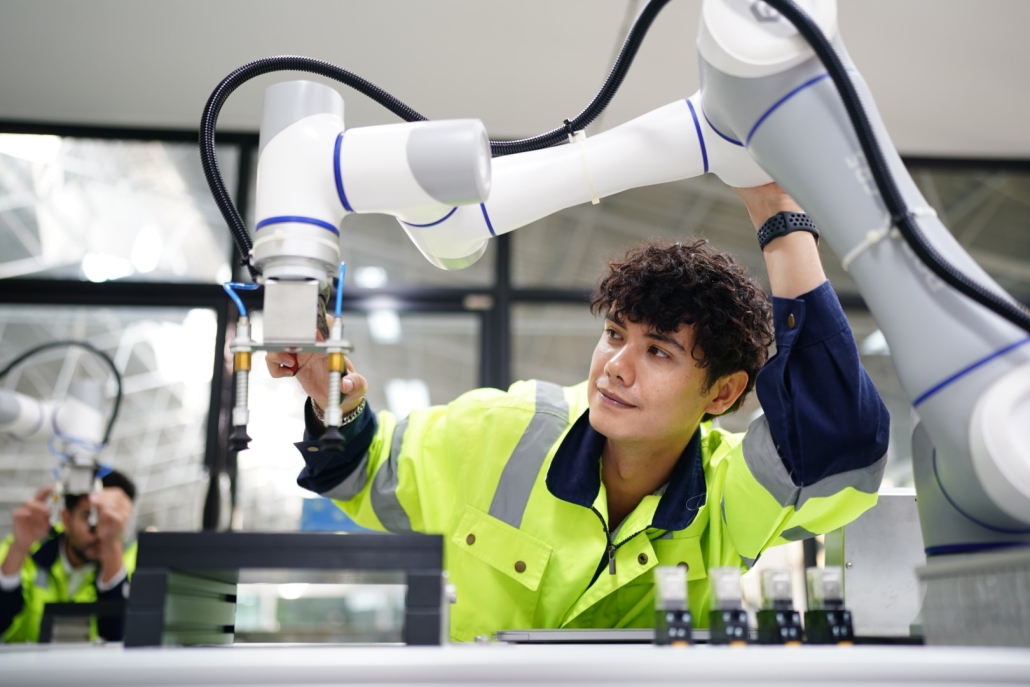
Automation and robotics manufacturing depend on accuracy, repeatability, and reliable component performance. As more companies automate production, they need parts that fit correctly, move smoothly, and support complex systems without slowing down operations. That is where precision plastic fabrication becomes essential.
For manufacturers, engineers, and product developers, custom plastic components can support everything from robotic guards and machine covers to trays, fixtures, housings, and prototype parts. Additionally, plastics offer strength, clarity, chemical resistance, and design flexibility. With the right fabrication partner, these benefits help automation and robotics teams move from concept to production with greater confidence.
Acrylic Art supports these demands through close-tolerance plastic fabrication and CNC machining. Because automation systems often involve highly specific equipment, custom fabrication helps manufacturers get the exact parts they need instead of forcing standard materials to fit complex applications.
Why Precision Plastic Fabrication Matters in Robotics
Robotics manufacturing requires parts that perform consistently. Even a small variation in a component can affect movement, alignment, safety, or production speed. Therefore, precision plastic fabrication plays a key role in building dependable robotic systems.
Plastic components can serve many functions in automated environments. For example, they may protect operators from moving parts, guide products along a production line, separate sensitive materials, or house electronic components. In many cases, these parts must match tight specifications to integrate with sensors, conveyors, robotic arms, or inspection systems.
Because of this, manufacturers need more than simple cutting or basic shaping. They need expert fabrication, careful material selection, and machining processes that support consistent results. Acrylic Art specializes in close-tolerance plastics fabrication and CNC machining, making them a strong resource for companies that need accuracy and reliability in demanding applications.
Custom Components for Automated Equipment
Automation rarely uses a one-size-fits-all approach. Each system has unique dimensions, functions, and production goals. As a result, custom plastic components often become necessary.
Precision plastic fabrication can support a wide range of automation and robotics parts, including machine guards, shields, covers, panels, brackets, trays, spacers, and enclosures. Clear plastics can also help teams monitor equipment while maintaining a barrier between workers and moving machinery. Meanwhile, durable engineered plastics can support parts that need strength, stability, or wear resistance.
Custom fabrication also helps companies improve workflow. For instance, a precisely machined tray can hold products in the correct position for robotic handling. Similarly, a custom fixture can help automated inspection equipment evaluate parts more efficiently. These small improvements can create major gains across a production line.
Acrylic Art works with all plastics and several soft metals, which gives manufacturers more options when choosing the right material for each application. Therefore, their team can help support projects that require both performance and practical design.
Supporting Prototypes and Product Development
Automation and robotics projects often begin with prototypes. Before a company commits to full production, engineers need to test fit, function, durability, and usability. Precision plastic fabrication helps make this process faster and more effective.
Plastic prototypes can help teams evaluate design ideas without the cost or delay of more complex manufacturing methods. Additionally, CNC machining allows for accurate parts that closely match final design requirements. This gives teams better information during testing and helps reduce costly changes later.
When parts need adjustment, a skilled fabrication partner can help refine the design. For example, a robotics manufacturer may need to change hole locations, adjust thickness, improve edge finishes, or modify dimensions after testing. Because Acrylic Art understands technical requirements and close-tolerance work, they can support the type of detailed revisions that product development often requires.
As a result, manufacturers can move through the design process with fewer obstacles and better confidence in the final product.
Material Selection for Automation Environments
Material selection has a major impact on performance. In automation and robotics manufacturing, parts may face motion, vibration, cleaning agents, temperature changes, impact, or repeated handling. Therefore, the right plastic matters.
Acrylic, polycarbonate, PVC, HDPE, UHMW, and other engineered plastics can each serve different purposes. Some materials offer excellent clarity. Others provide impact resistance, chemical resistance, low friction, or strong machinability. Because every project has different demands, manufacturers benefit from working with a team that understands plastic behavior and fabrication techniques.
Acrylic Art’s experience with many types of plastics allows them to help customers choose materials that match the job. This is especially valuable for automation systems, where the wrong material can lead to cracking, warping, excess wear, or poor fit.
Additionally, plastic components can often reduce weight compared to metal parts. This can be useful in robotics, where lighter components may support faster movement, easier installation, or reduced strain on equipment.
CNC Machining for Accuracy and Repeatability
CNC machining is especially important in precision plastic fabrication. It allows manufacturers to create detailed parts with consistent dimensions, clean cuts, and repeatable results. This is essential for robotics and automation projects because parts often need to align with existing equipment.
Acrylic Art’s CNC machining capabilities support cutting, drilling, and milling for plastic components. These processes help create parts that meet demanding specifications and perform as expected in automated systems.
Repeatability also matters when a manufacturer needs multiple copies of the same part. Once a design is finalized, CNC machining can help produce consistent components for equipment builds, maintenance needs, or production scaling. Therefore, companies can reduce variation and simplify replacement part planning.
Safety, Visibility, and Equipment Protection
Automation improves productivity, but it also creates safety considerations. Moving robotic arms, conveyors, and automated machinery require proper guarding and protective components. Precision plastic fabrication can support safer work environments through custom guards, shields, and covers.
Clear plastic barriers are especially useful because they allow visibility while helping protect workers. Operators can monitor the equipment without being directly exposed to moving components. Additionally, custom covers can help protect sensitive electronics, sensors, or mechanical parts from dust, debris, and accidental contact.
Because these safety components often need to fit around existing equipment, custom fabrication is usually the best solution. Acrylic Art can create parts based on specific project requirements, helping manufacturers improve safety without compromising access or visibility.
A Better Partner for Complex Manufacturing Needs
Automation and robotics manufacturing require more than basic parts. They require accuracy, problem-solving, and dependable production support. Therefore, choosing the right fabrication partner can make a major difference.
Acrylic Art combines craftsmanship, technical understanding, and advanced fabrication capabilities to support complex plastic manufacturing needs. Their focus on quality, on-time delivery, competitive pricing, and superior customer service makes them a valuable partner for companies that need precision parts for automation, robotics, medical, biotech, technology, and industrial applications.
Whether a company needs a prototype, a custom guard, a machine component, or a repeat production run, Acrylic Art can help turn technical requirements into reliable finished parts.
Build Smarter Automation Systems With Acrylic Art
Precision plastic fabrication helps automation and robotics manufacturers improve performance, safety, and production efficiency. From custom fixtures and machine guards to CNC-machined components and prototypes, the right plastic parts can support better system design and smoother operations.
Acrylic Art brings the experience, equipment, and close-tolerance fabrication skills needed for demanding manufacturing projects. Contact us today to discuss your automation or robotics manufacturing needs and learn how Acrylic Art can help bring your custom plastic components to life.