CNC Machining vs. Injection Molding: When Custom Machining Is the Better Choice
When manufacturers need custom plastic parts, they often compare CNC machining vs. injection molding early in the planning process. Both methods can produce high-quality components. However, the better choice depends on your project goals, timeline, material needs, tolerance requirements, and production volume.
For many specialized parts, custom CNC machining gives businesses more flexibility and control. This is especially true when a project needs precision, fast turnaround, design changes, or lower-volume production. At Acrylic Art, our team specializes in close-tolerance plastics fabrication and precision CNC machining. As a result, we help clients turn complex designs into dependable parts without the limitations of mold-based production.
Understanding CNC Machining vs. Injection Molding
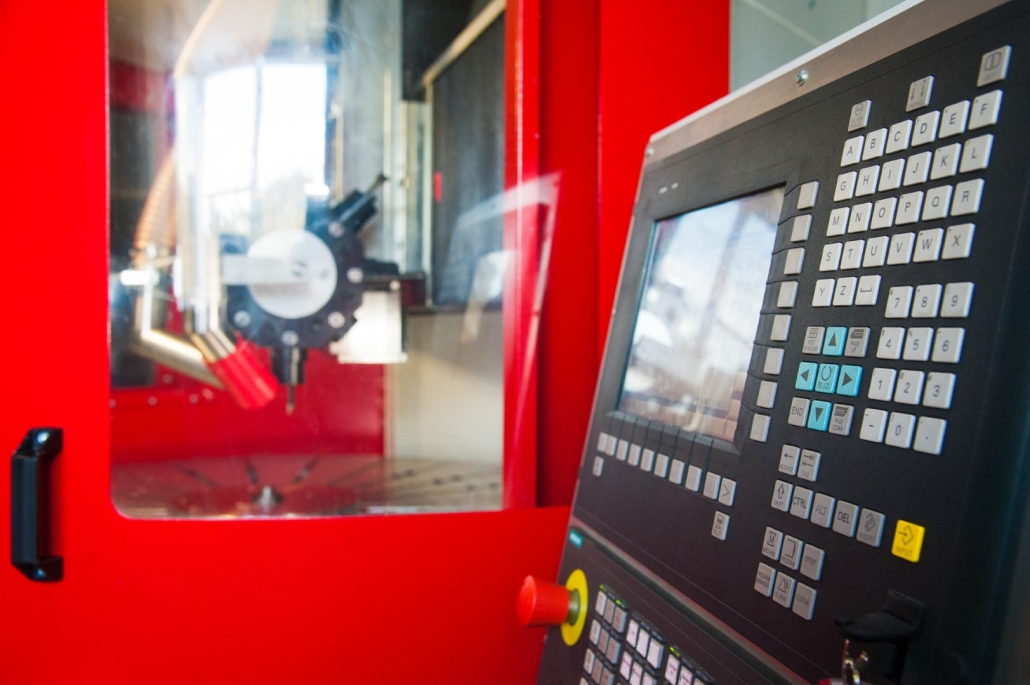
CNC machining is a subtractive manufacturing process. A machine removes material from a solid block, sheet, rod, or other stock form. This process creates the final shape based on digital design files and exact specifications.
Injection molding works differently. First, a custom mold must be designed and manufactured. Then, heated plastic gets injected into that mold to form parts. This method can work well for very high-volume production runs. However, the upfront mold cost and setup time can make it less practical for many custom projects.
Therefore, when comparing CNC machining vs. injection molding, the main question is not which process is better overall. Instead, the better question is which process fits your specific part, timeline, and budget.
CNC Machining Is Ideal for Prototypes and Design Changes
Custom CNC machining often makes more sense during early product development. If your design may change, CNC machining gives you room to adjust. You can refine dimensions, test fit, update materials, and improve performance without investing in a new mold.
Injection molding can become expensive when a design changes after tooling begins. Even a small adjustment may require mold modifications. In some cases, it may require an entirely new mold. Consequently, CNC machining can reduce risk during prototyping and testing.
Acrylic Art offers in-house design and prototyping support for plastic parts. Additionally, our CAD/CAM capabilities allow us to work from digital files and produce precise components efficiently. This makes custom CNC machining a strong choice for engineers, product developers, and manufacturers who need accuracy before scaling production.
Custom Machining Supports Tight Tolerances
Precision matters when parts must fit, seal, align, or perform within demanding systems. CNC machining can produce close-tolerance parts with a high degree of consistency. Therefore, it is often the better choice for medical, biotech, semiconductor, laboratory, instrumentation, and OEM applications.
At Acrylic Art, we focus on close-tolerance plastics fabrication and machining. Our CNC capabilities include complex contouring, 3D milling, rapid machining, thread milling, drilling, tapping, boring, profiling, turning, and more. Because of this, we can create detailed plastic and soft metal components for demanding applications.
Injection molding can also create consistent parts after a mold has been perfected. However, molded parts can face challenges with shrinkage, warping, material flow, and tolerance control. For parts with exact dimensional requirements, custom CNC machining may offer better predictability.
CNC Machining Works Well for Low-Volume and Specialty Runs
Injection molding becomes more cost-effective when companies need thousands or millions of identical parts. However, many projects do not need that level of volume. Some require one prototype, a short run, replacement parts, custom fixtures, test components, or specialized assemblies.
In those cases, CNC machining often provides a better path. It avoids the high upfront cost of mold design and tooling. It also allows production to begin faster.
Acrylic Art supports prototypes, short runs, long runs, and production runs. Therefore, our team can help clients choose a practical process based on both immediate needs and future goals. If your project requires precision parts without large-volume tooling commitments, CNC machining may be the smarter choice.
Material Selection Can Be More Flexible with CNC Machining
Material choice can affect strength, clarity, chemical resistance, heat resistance, appearance, and performance. CNC machining gives manufacturers access to a wide variety of plastic materials. These include acrylic, acetal, ABS, Delrin, HDPE, Lexan, nylon, PEEK, polycarbonate, PVC, Teflon, UHMW, Ultem, and many others.
This flexibility is important for technical applications. For example, a medical device component may need clarity and smooth finishing. A semiconductor component may need chemical resistance. A lab fixture may need precise geometry and durability.
Acrylic Art also machines several soft metals, including aluminum, brass alloys, and copper. Additionally, our team can provide expert material analysis and design recommendations. As a result, clients can select materials that match real-world performance needs.
Custom Machining Can Deliver a More Finished Part
Many projects require more than basic part production. They may need polishing, solvent welding, heat bending, engraving, assembly, surface treatment, or finishing. In these cases, Acrylic Art brings together fabrication and machining expertise under one roof.
Our plastic fabrication capabilities include cutting, heat bending, solvent welding, polishing, CNC precision machining, and hardware assembly. We also support additional services such as painting, product finishing, anodizing, and vapor polishing through qualified local partners.
This matters because a finished component must often meet both functional and visual standards. For clear plastic parts, vapor polishing can improve clarity after machining. For assemblies, hardware installation and fabrication may help reduce vendor coordination. Therefore, custom CNC machining through Acrylic Art can simplify the entire production process.
When Injection Molding May Be the Better Choice
Injection molding is still valuable in the right situation. It may be the better choice when a design is finalized, production volume is very high, and each part must be identical at scale. Once tooling is complete, molded parts can be produced quickly and repeatedly.
However, injection molding usually requires more upfront planning. The process works best when there is confidence in the final design and enough production volume to justify tooling costs. For custom parts, specialty materials, lower volumes, and tight-tolerance requirements, CNC machining often remains the better option.
Choose Acrylic Art for Custom CNC Machining
When comparing CNC machining vs. injection molding, custom machining offers major advantages for flexibility, precision, prototyping, and specialty production. It can help reduce tooling costs, shorten lead times, and support complex design requirements.
Acrylic Art is more than a machine shop. We combine computer precision with decades of manufacturing expertise to solve difficult design, fabrication, and production challenges. Our team works with all plastics, several soft metals, and a wide range of industries, including medical, biotech, pharmaceutical, semiconductor, retail, exhibit, museum, and architectural markets.
If you need custom plastic components, prototypes, short-run parts, or precision CNC machining, contact us today. Acrylic Art can review your project, recommend materials, and help you choose the best manufacturing path.