How CNC Machining Makes Design Changes Faster
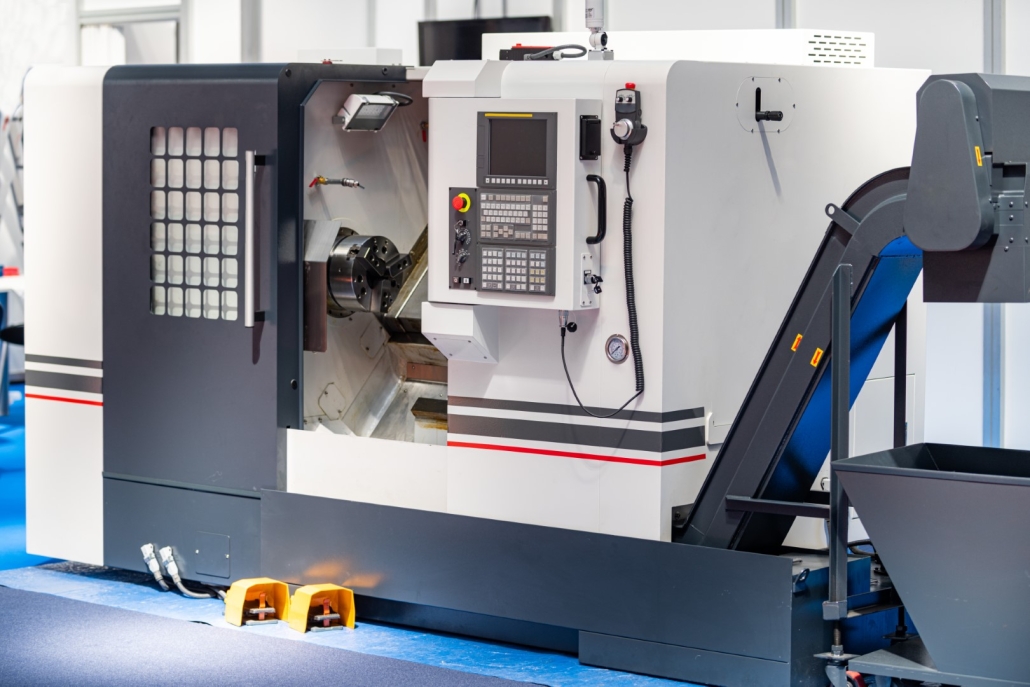
In modern manufacturing, even small design adjustments can create significant production challenges. However, CNC machining for rapid design changes provides manufacturers with a flexible solution. Rather than restarting lengthy tooling processes, businesses can modify digital designs and produce updated components efficiently.
This flexibility is especially valuable for industries requiring precision, customization, and continuous product improvement. From medical equipment to semiconductor components, manufacturers must adapt quickly without compromising quality.
At Acrylic Art, we combine advanced CNC machining technology with decades of manufacturing expertise. Our precision machining and plastic fabrication services help businesses accommodate design revisions while maintaining accuracy and efficient production schedules.
Why Design Changes Can Cause Production Delays
Traditional manufacturing processes often rely on dedicated tooling, molds, and specialized equipment configurations. Consequently, changing a component’s dimensions or geometry can require substantial adjustments.
For example, modifying an injection-molded component may involve altering or replacing its mold. This process can increase costs and delay production while manufacturers prepare the updated tooling.
Additionally, unexpected design changes can interrupt manufacturing workflows. Engineers may discover fitment problems, identify performance improvements, or receive updated customer requirements after production planning begins.
These situations create several potential challenges:
- Additional tooling and setup expenses
- Longer development and production timelines
- Increased material waste
- Delays in prototype validation
- Difficulty accommodating last-minute modifications
Fortunately, CNC machining offers an alternative that reduces many traditional manufacturing limitations.
How CNC Machining for Rapid Design Changes Works
CNC machining uses computer-controlled equipment to manufacture components according to digital design specifications. Engineers typically develop these specifications using computer-aided design (CAD) software.
Next, computer-aided manufacturing (CAM) software helps translate the design into machining instructions.
When engineers revise a component, manufacturers can update the CAD model and corresponding machining program. Therefore, many design modifications can proceed without entirely new production tooling.
For example, an engineer might need to adjust a mounting hole, modify a channel, or change a component’s dimensions. CNC machining allows these updates to become part of a revised manufacturing program.
However, significant changes may still require new fixtures, tooling adjustments, or additional programming. The advantage is that manufacturers can often accommodate revisions more efficiently than processes dependent on dedicated molds.
Acrylic Art supports this flexibility through CAD/CAM design assistance and precision CNC machining. Our team can import files from most CAD systems, helping streamline the transition from updated designs to finished components.
Rapid Prototyping Makes Design Improvements Easier
Product development rarely follows a perfectly linear path. Instead, engineers often need several design iterations before achieving the desired performance.
Rapid prototyping allows manufacturers to evaluate physical components before committing to larger production quantities.
With CNC machining for rapid design changes, businesses can manufacture a prototype, test its performance, and make necessary refinements.
For instance, a medical equipment manufacturer might discover that a plastic housing needs additional clearance. Rather than redesigning dedicated production tooling, engineers can update the component’s digital specifications.
A revised prototype can then help validate the improvement.
Additionally, CNC machining supports functional prototypes made from materials similar or identical to those intended for production. This helps engineers evaluate fit, strength, and material behavior under realistic conditions.
Acrylic Art offers rapid machining, in-house design assistance, and prototyping services. Consequently, customers can refine complex components while preparing for future manufacturing requirements.
Multi-Axis CNC Machining Supports Complex Design Revisions
Some design changes involve more than adjusting basic dimensions. Manufacturers may need to modify intricate contours, angled features, threaded connections, or three-dimensional surfaces.
Multi-axis CNC machining provides additional flexibility when producing these complicated geometries.
Unlike conventional machining arrangements requiring frequent workpiece repositioning, multi-axis equipment can approach components from multiple directions.
This capability can reduce setups and improve consistency between critical features.
Acrylic Art’s advanced CNC machining services include:
- Complex contouring and 3D milling
- Thread milling and helical interpolation
- Precision turning and milling
- Rapid machining for prototypes and production components
- Multi-axis machining for intricate part geometries
Our machining capabilities can achieve tolerances as tight as ±0.001 inches, depending on component requirements. Additionally, our equipment supports a work envelope reaching 20 × 40 × 14 inches.
These capabilities help manufacturers accommodate sophisticated design requirements while maintaining dimensional accuracy.
How CNC Machining Reduces Tooling Costs and Material Waste
Production delays are not the only concern when designs change. Manufacturers must also consider the financial impact of revisions.
Traditional tooling modifications can become expensive, particularly when changes occur repeatedly during development.
CNC machining can reduce these expenses because many adjustments involve programming changes rather than replacement molds.
Furthermore, manufacturers can produce smaller quantities while evaluating design performance. This approach helps prevent unnecessary investment in components that may require additional modifications.
For example, producing five revised prototypes may be more practical than manufacturing hundreds of untested parts.
However, CNC machining is not automatically the least expensive option for every application. High-volume production may favor injection molding once a stable design justifies tooling investment.
Therefore, businesses should evaluate anticipated quantities, design complexity, material requirements, and revision frequency before selecting a manufacturing process.
Acrylic Art helps customers navigate these considerations through technical guidance and manufacturing expertise.
Why Material Expertise Matters During Design Changes
Rapid revisions must also account for material characteristics.
Different plastics respond differently to cutting forces, heat, mechanical stress, and machining conditions. Consequently, changing a component’s shape can sometimes introduce unexpected manufacturing challenges.
For example, reducing wall thickness may affect rigidity during machining. Similarly, adding intricate features can require adjustments to cutting speeds, tooling, or workholding.
Acrylic Art specializes in close-tolerance plastic fabrication and machining across conventional and high-performance materials.
Our experience supports demanding applications involving acrylic, polycarbonate, acetal, nylon, PEEK, and other engineering plastics.
Additionally, our capabilities extend beyond machining to include cutting, heat bending, solvent welding, polishing, and hardware assembly.
This combination allows customers to address multiple manufacturing requirements through one experienced fabrication partner.
CNC Machining Helps Maintain Production Flexibility
CNC machining for rapid design changes offers benefits beyond initial product development.
Manufacturers may need to update components because of evolving customer specifications, equipment improvements, or new performance requirements.
Digital machining programs make it possible to revise established designs without necessarily rebuilding an entire manufacturing process.
Additionally, CNC machining supports both short-run and longer-run production, making it valuable for specialized components and changing demand.
This flexibility is especially important in industries where product specifications frequently evolve.
Acrylic Art serves customers throughout medical device manufacturing, biotechnology, pharmaceuticals, semiconductor production, laboratory equipment, and related technical industries.
With more than 34 years of manufacturing experience, our team understands the importance of combining precision, adaptability, and reliable delivery.
Keep Projects Moving With Precision CNC Machining
Design changes do not always have to result in lengthy production interruptions. With appropriate planning, CNC machining provides a practical way to accommodate revisions while protecting manufacturing efficiency.
From rapid prototypes to complex production components, CNC machining for rapid design changes helps businesses remain responsive to evolving requirements.
At Acrylic Art, we combine precision CNC machining, CAD/CAM assistance, and comprehensive plastic fabrication services to support demanding manufacturing projects.
Whether you’re refining an existing component or developing a completely new design, our experienced team can help evaluate your requirements.
Contact us today to discuss your next project and discover how Acrylic Art can help you achieve precise, high-quality manufacturing results.