Posts

In the rapidly advancing field of medical technology, the demand for high-quality, reliable components is at an all-time high. Medical devices must adhere to strict standards of precision and safety to ensure that they perform as intended and do not pose any risk to patients. Plastic fabrication plays a crucial role in the production of these devices, offering a combination of versatility, precision, and safety that is unmatched by other materials. In this article, we’ll explore the importance of plastic fabrication in medical device manufacturing and how it ensures the production of safe, effective, and reliable components.

The Importance of Precision in Medical Devices

Medical devices are often designed to perform critical functions that directly impact patient health. Whether it’s a surgical instrument, a diagnostic tool, or a component of a life-support system, there is no margin for error. Precision is paramount, as even the smallest deviation from the design specifications can lead to device failure or inaccuracies in medical procedures.

Plastic fabrication, when done correctly, provides the level of precision required for these applications. Advanced techniques such as CNC machining and laser cutting allow for the creation of components with extremely tight tolerances. This ensures that each part fits perfectly and functions as intended, contributing to the overall reliability and safety of the medical device.

Safety Standards and Regulatory Compliance

The medical industry is one of the most heavily regulated sectors, with strict guidelines governing the materials, manufacturing processes, and performance of medical devices. Compliance with these standards is not optional; it is essential for ensuring the safety of patients and the efficacy of medical treatments.

Plastic fabrication processes are designed to meet these stringent requirements. Materials used in medical device manufacturing, such as medical-grade plastics, are selected for their biocompatibility, chemical resistance, and durability. These materials undergo rigorous testing to ensure they do not react adversely with the human body or degrade under sterilization processes.

Furthermore, plastic fabrication methods can be tailored to comply with specific regulatory standards, such as ISO 13485, which outlines the requirements for a quality management system for the design and manufacture of medical devices. By adhering to these standards, manufacturers can ensure that their products are safe, reliable, and ready for market approval.

Versatility in Material Selection

One of the key advantages of plastic fabrication in the medical field is the wide range of materials available. Medical devices require materials that can withstand various conditions, including exposure to bodily fluids, sterilization processes, and repeated use. Plastics offer a versatile solution, with options ranging from rigid materials like polycarbonate and ABS to more flexible materials like silicone and thermoplastic elastomers.

Each of these materials has unique properties that make them suitable for different applications. For example, polycarbonate is known for its strength and transparency, making it ideal for components like lenses and housings. On the other hand, silicone’s flexibility and biocompatibility make it perfect for seals, gaskets, and tubing.

Plastic fabrication techniques can be adapted to work with these diverse materials, allowing manufacturers to choose the best option for their specific application. This flexibility is crucial in the medical industry, where devices often need to meet a wide range of functional and safety requirements.

Customization and Innovation in Medical Device Design

Innovation is at the heart of the medical device industry, where new technologies and treatments are constantly being developed. Plastic fabrication supports this innovation by offering a high degree of customization in the design and manufacturing process.

Custom plastic parts can be designed and produced to meet the unique needs of each medical device. Whether it’s a complex shape, an intricate internal structure, or a combination of different materials, plastic fabrication techniques like injection molding, CNC machining, and 3D printing can bring these designs to life.

This ability to customize is particularly valuable in the development of prototype devices. Manufacturers can quickly produce and test multiple iterations of a component, making adjustments as needed to optimize performance and ensure safety. Once the design is finalized, plastic fabrication processes can be scaled up for mass production, ensuring consistency and quality across all units.

Durability and Sterilization Compatibility

Medical devices must be durable enough to withstand the rigors of their intended use, including exposure to harsh chemicals, extreme temperatures, and mechanical stress. Plastics used in medical device fabrication are chosen for their ability to endure these conditions without compromising their structural integrity or performance.

Moreover, many medical devices must be sterilized before use to prevent infection. The materials used in plastic fabrication are often designed to withstand sterilization processes, including autoclaving, gamma radiation, and chemical sterilization. This ensures that the devices remain safe and effective after repeated use, which is particularly important for devices that come into direct contact with patients.

Quality Assurance and Testing

In the medical device industry, quality assurance is not just a step in the process—it’s a critical component of the entire production cycle. Plastic fabrication for medical devices involves rigorous quality control measures at every stage, from material selection to final inspection.

Each component is subjected to extensive testing to ensure it meets the required specifications and performance standards. This includes dimensional checks, material property verification, and functional testing. Any deviations are addressed immediately, and corrective actions are taken to prevent recurrence.

Quality assurance in plastic fabrication also involves thorough documentation, which is essential for regulatory compliance and traceability. This documentation provides a record of the manufacturing process, material batches, and test results, ensuring that each device can be traced back to its source if necessary.

Ensuring Precision and Safety in Medical Device Fabrication

Plastic fabrication plays a vital role in the production of medical devices, offering a combination of precision, versatility, and safety that is essential for this highly regulated industry. From selecting the right materials to ensuring compliance with stringent safety standards, every aspect of the fabrication process is designed to produce reliable, high-quality components that meet the demanding needs of the medical field.

At Acrylic Art, we understand the importance of precision and safety in medical device manufacturing. Our expertise in plastic fabrication allows us to deliver custom solutions that meet the highest standards of quality and performance. Whether you need a prototype or a full production run, we have the capabilities to support your project from start to finish. Contact us today to learn how we can help you bring your medical device to life.

In the world of custom plastic parts, precision, efficiency, and consistency are key. Whether you’re working on a small batch of prototypes or a full production run, the method you choose for manufacturing can make all the difference. CNC machining has emerged as a preferred technique for creating custom plastic parts due to its numerous advantages. Here, we explore the benefits of CNC machining and why it’s a valuable choice for projects that require custom plastic components.

Precision and Accuracy in Every Part

One of the most significant advantages of CNC (Computer Numerical Control) machining is its unparalleled precision. When it comes to custom plastic parts, achieving exact dimensions and tight tolerances is often critical. CNC machines operate based on digital models, allowing them to replicate complex designs with extraordinary accuracy. This precision ensures that every part meets the required specifications, reducing the risk of errors that can occur with manual processes.

For industries where precision is non-negotiable—such as aerospace, medical devices, and electronics—CNC machining offers a level of reliability that is hard to match. Whether you’re producing intricate components or straightforward parts, CNC machining ensures that each piece is identical to the next, which is essential for maintaining consistency and quality across your product line.

Versatility Across Different Materials

CNC machining is not only precise but also highly versatile. It can work with a wide range of plastic materials, including acrylic, polycarbonate, ABS, nylon, and more. This flexibility allows you to choose the best material for your specific application without worrying about compatibility with the manufacturing process.

Different plastics offer varying properties, such as impact resistance, optical clarity, chemical resistance, and thermal stability. CNC machining can handle these diverse materials with ease, enabling the creation of parts that are tailored to the specific needs of your project. This versatility is particularly beneficial in industries like automotive and consumer goods, where different applications require different material properties.

Efficiency in Production

In today’s fast-paced market, time is often a critical factor. CNC machining is known for its efficiency, making it an ideal solution for both small and large production runs. Once the digital model is programmed into the machine, the production process is largely automated, allowing for rapid production of parts with minimal downtime.

This automation reduces the potential for human error and increases the speed at which parts can be produced. Additionally, CNC machining allows for quick adjustments and modifications to the design, which is particularly useful during the prototyping phase. If a design change is needed, the digital model can be updated, and production can resume almost immediately, saving both time and resources.

Cost-Effectiveness for Custom Projects

While CNC machining requires an initial investment in programming and setup, it often proves to be more cost-effective in the long run, especially for custom projects. The precision and efficiency of CNC machining reduce material waste and lower the likelihood of producing defective parts, which can lead to significant cost savings.

Furthermore, because CNC machines can operate continuously with minimal supervision, labor costs are reduced. The ability to produce complex designs without the need for specialized tooling also eliminates additional expenses that might be associated with other manufacturing methods, such as injection molding.

Consistency and Repeatability

Consistency is key when it comes to producing custom plastic parts, especially in large quantities. CNC machining excels in this area by ensuring that each part produced is identical to the last. This repeatability is crucial for maintaining quality standards and ensuring that all parts function as intended in their final application.

For industries that require high-volume production of identical parts, CNC machining offers a reliable solution. Even in smaller production runs, the consistency provided by CNC machining can be a significant advantage, reducing the need for quality control checks and rework.

Complex Designs Made Easy

The ability to produce complex and intricate designs is another major advantage of CNC machining. Traditional machining methods may struggle with detailed or unusual shapes, but CNC machines can easily handle complex geometries thanks to their advanced software and precise cutting tools.

This capability is particularly useful for creating custom plastic parts that require unique shapes or features, such as internal channels, complex contours, or fine details. With CNC machining, you can bring even the most challenging designs to life, making it an ideal choice for innovative products and specialized components.

Scalability for Growing Businesses

As your business grows, so too may your production needs. CNC machining offers scalability that can keep pace with your expansion. Whether you need a few prototypes or thousands of parts, CNC machining can accommodate your requirements without sacrificing quality or efficiency.

This scalability is particularly valuable for startups and small businesses that may start with limited production but need the flexibility to increase capacity as demand grows. CNC machining allows you to scale up production quickly and cost-effectively, ensuring that you can meet customer demand without delays.

Quality Control and Inspection

CNC machining is often integrated with advanced quality control systems that monitor the production process in real-time. These systems can detect and correct errors during manufacturing, ensuring that each part meets the required standards. Additionally, CNC machines can produce detailed documentation and reports, which are useful for quality assurance and regulatory compliance.

This level of quality control is essential in industries where safety and reliability are paramount. By choosing CNC machining for your custom plastic parts, you can have confidence in the quality and consistency of the final product.

Why CNC Machining is the Best Choice for Custom Plastic Parts

CNC machining offers a range of advantages that make it an excellent choice for producing custom plastic parts. From precision and versatility to efficiency and scalability, this manufacturing method provides everything needed to create high-quality components that meet exact specifications. Whether you’re developing prototypes or producing a large volume of parts, CNC machining ensures that your project is completed with accuracy, consistency, and cost-effectiveness.

If you’re considering CNC machining for your custom plastic parts, Acrylic Art is here to help. Our expertise in CNC machining, coupled with our commitment to quality, ensures that your parts will be manufactured to the highest standards. Contact us today to learn more about how we can support your next project.

image of cnc machine being used for precision in plastic fabrication

Plastic fabrication is a cornerstone in modern manufacturing, influencing a wide range of industries from automotive to healthcare. For Acrylic Art, located in Emeryville, CA, precision in plastic fabrication is not just a goal but a fundamental principle. This article explores why precision is crucial in plastic fabrication, the techniques that ensure accuracy, and the benefits it brings to various applications.

The Role of Precision in Plastic Fabrication

Precision in plastic fabrication ensures that the final product meets exact specifications and quality standards. This level of accuracy is vital for several reasons:

  • Functionality: Precision ensures that components fit together seamlessly, which is essential for the functionality of complex assemblies. In industries like aerospace or medical devices, even a slight deviation can lead to malfunctions.
  • Aesthetic Quality: For products that require a high level of visual appeal, such as consumer electronics or interior decor, precision fabrication ensures a flawless finish that meets aesthetic standards.
  • Durability: Accurate fabrication minimizes material stress and defects, leading to more durable products. This is particularly important for items exposed to harsh environments or heavy use.
  • Efficiency: Precision reduces waste and the need for rework, leading to more efficient production processes. This efficiency translates into cost savings and faster turnaround times.

Techniques for Achieving Precision

Several techniques and technologies contribute to achieving high precision in plastic fabrication. At Acrylic Art, the following methods are employed to ensure top-notch quality:

CNC Machining

Computer Numerical Control (CNC) machining is a widely used method for achieving high precision in plastic fabrication. CNC machines use computer-aided design (CAD) models to guide the cutting tools, ensuring consistent and accurate production. This technology allows for intricate designs and tight tolerances, essential for high-precision applications.

Laser Cutting

Laser cutting uses a focused laser beam to cut materials with extreme accuracy. This method is ideal for creating detailed and complex shapes with clean edges. Laser cutting is especially beneficial for projects requiring fine detail and intricate patterns.

Thermoforming

Thermoforming involves heating plastic sheets until they become pliable and then forming them over molds. This technique requires precise temperature control and mold design to ensure the final product matches the desired specifications. Precision in thermoforming results in uniform thickness and consistent quality across all produced items.

3D Printing

3D printing, or additive manufacturing, builds objects layer by layer from digital models. This technology allows for highly detailed and precise fabrication, making it ideal for prototyping and custom parts. At Acrylic Art, 3D printing is used to create complex geometries that would be challenging to achieve with traditional methods.

Benefits of Precision in Plastic Fabrication

The benefits of precision in plastic fabrication are numerous and impact various aspects of product development and manufacturing:

Quality Assurance

Precision ensures that each product meets stringent quality standards. This consistency is crucial for industries where safety and reliability are paramount, such as medical devices and aerospace.

Customization

High precision allows for greater customization, enabling the production of tailored solutions that meet specific client needs. Whether it’s a unique component for a new gadget or a bespoke piece for architectural design, precision fabrication makes it possible.

Innovation

Precision in plastic fabrication drives innovation by allowing designers and engineers to push the boundaries of what is possible. With accurate fabrication techniques, new and complex designs can be brought to life, leading to groundbreaking products and solutions.

Cost Efficiency

Accurate fabrication reduces material waste and minimizes the need for rework, leading to significant cost savings. Efficient use of materials and streamlined production processes also contribute to faster project completion times.

Applications of Precision Plastic Fabrication

The importance of precision in plastic fabrication is evident in various applications:

Medical Devices

Medical devices require the highest levels of precision to ensure safety and effectiveness. Components for diagnostic equipment, surgical instruments, and implants must be fabricated with exact specifications to meet stringent regulatory standards.

Electronics

In the electronics industry, precision is vital for producing components like housings, connectors, and circuit boards. Accurate fabrication ensures that these components function correctly and maintain the integrity of electronic devices.

Automotive

Precision in plastic fabrication is crucial for producing automotive parts that meet performance and safety standards. From interior components to under-the-hood parts, accurate fabrication ensures durability and reliability.

Consumer Products

For consumer products, precision fabrication ensures that items not only function correctly but also meet aesthetic standards. This is important for products like home appliances, furniture, and personal gadgets, where both performance and appearance matter.

Precision Makes Perfect

At Acrylic Art in Emeryville, CA, we understand that precision in plastic fabrication is essential for delivering high-quality, reliable, and innovative products. By employing advanced techniques like CNC machining, laser cutting, thermoforming, and 3D printing, we ensure that every project meets the exacting standards of our clients. Whether it’s for medical devices, electronics, automotive parts, or consumer products, precision in fabrication is the key to success.

If you’re looking for precision plastic fabrication services, look no further than Acrylic Art. Our team of experts is ready to help you bring your designs to life with the highest levels of accuracy and quality. Contact us today to learn more about our services and how we can assist with your next project.

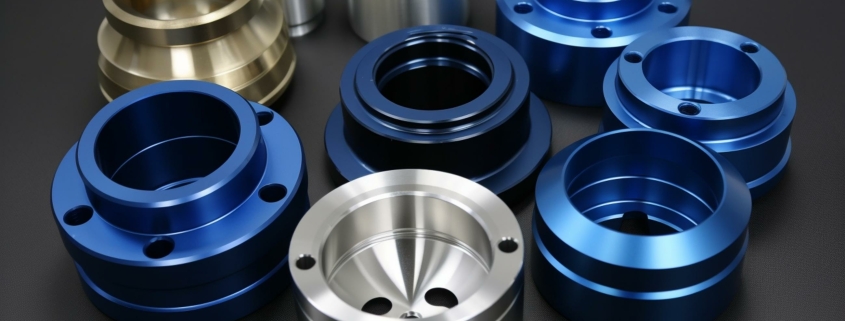
When using metal components or creating products made from metal, anodizing can be a valuable step in the process, especially with a softer metal like aluminum. The process of anodizing aluminum prevents corrosion, resists scratching, improves aesthetics and creates a more durable product. The following information will help you see the value in completing this process for your metal components.

How Does It Work?

Before anodizing aluminum, the metal is first cleaned to remove any debris on the surface. It is then placed in an electrolytic solution and a positive electric charge is administered directly to the aluminum while a negative charge is sent to plates suspended in the solution. Negative ions are then pulled toward the aluminum.

What Is the Barrier Layer?

During the process in the electrolytic solution, pores on the aluminum open up to let the positive ions out, creating a geometric pattern that erodes into a substrate. The surface of the aluminum bonds with O2 to create aluminum oxide, creating a barrier that protects against corrosion and other chemical reactions. The longer the process continues, the pores extend deeper into the aluminum. Non-hard anodized coatings typically measure about 10 microns. Once the desired depth is reached, a cold water rinse stops the process.

Hard Anodizing

If you need greater corrosion protection for your aluminum, hard anodizing is the right solution. To achieve hard anodizing, a longer barrier process is necessary, often reaching depths of 25 microns or more. While this process takes more time and can be more costly, it provides enhanced durability to the metal.

Is Corrosion Protection Necessary?

Aluminum doesn’t rust, so you may wonder if corrosion resistance is even necessary. The answer is yes. While it can’t rust, aluminum can experience oxidation when exposed to the air. This oxidation is relatively harmless to aluminum, but that’s only when you consider exposure to pure air and water. In the real world, aluminum may be exposed to salt water, acid rain and other contaminants that can have a negative impact on the metal, making corrosion protection a necessity to avoid discoloration or mechanical failure.

Adding Color to Anodized Aluminum

When most people think of anodized aluminum, they think of coloring, which is a common use for the process. Once you have created the pores with the anodizing process, it’s the perfect time to add color to the metal before sealing off the pores with a water rinse. Adding color to aluminum using this process ensures long-lasting color. Because it lies deep within the metal, it won’t scratch off the surface.

Creating the Popular Metallic Look

When you think of something metal, you often think of something shiny. This is the result of the anodizing process. Anodizing is a form of etching that leaves the surface of the metal with a rough texture. Deeper pores mean a rougher texture. The way the light bounces off this surface creates the tell-tale metallic sheen most people recognize.

Use Caution with Your Design

When creating your anodizing bath, it’s important to remember it’s impossible to fully anodize an entire part. After all, the metal must be submerged, yet suspended in the bath, requiring a holder of some form. Any part of the metal concealed by the holder won’t be anodized, so it’s important to position your parts carefully and minimize obstructed areas as much as possible.

Have you ever wondered how they make super-thin, transparent plastics, like those used for eye contacts? It’s called vapor polishing. This is a technique used to polish or finish a plastic product to achieve transparency. So how exactly does this work? Read on to learn more.

How Does Vapor Polishing Work?

Vapor polishing is a technique that smooths out plastic resin material at the microscopic level to get the desired effect. This is done using a Weldon 4 solvent that reacts with the surface chemistry of polycarbonates. This solvent is heated to boiling and the vapors are sprayed on the plastic. The plastic surface then melts and fills in the small holes and scratches. When the vapor is gone, the plastic once again becomes solid.

Does the Plastic Need to Be Sanded?

Yes. Since vapor polishing works at the molecular level, it can’t take out large deformities in the plastic. For that reason, Acrylic Art will sand your parts before we vapor polish to a surface between 1000 and 1500 grit. From here, the vapor polishing only takes a few seconds before the product is finished.

Can Anyone Perform Vapor Polishing?

No. Vapor polishing should only be performed by a trained professional as the process could be dangerous if you breathe in the vapors In fact, vapor polishing is done in a highly controlled environment where the worker wears a breathing respirator. There are also suited up workers stationed outside the working chamber to offer assistance if needed. For all these reasons, it is advised not to try this on your own.

Does Vapor Polishing Harm the Environment?

No. When vapor polishing is done safely, it is not bad for the environment. Our facility pulls the vapors through a three-stage carbon filter to avoid any contamination to the atmosphere.

How Long Does Vapor Polishing Take?

The lead time on vapor polishing is short. In fact, once the vapor is applied to the plastic, it only takes a few seconds for it to become clear. There is no need for repeated exposure to the surface area. This means a large piece of plastic can be vapor polished in just minutes. After the vapor is taken away, the item becomes hard and is ready for use.

Is Vapor Polishing Cost-Effective?

Yes, especially when compared to hand or machine polishing. Furthermore, it would be impossible to polish by hand those geometric shapes with recesses and pockets. With vapor polishing, however, you can reach the deepest grooves for an even polish. The result is then immediate.

Is Vapor Polishing Right for You?

At Acrylic Art, we are here to help you with any vapor polishing project. We also offer an array of other finishing services. Contact us today to achieve the desired finished project you want. Our friendly team can be reached at 510-654-0953.


2020 saw a significant amount of change in the manufacturing industry, especially as new technologies emerge and greater tolerances and precision are achieved. But 2021 will see even further evolution of standard manufacturing processes, as well as changes in how the manufacturing industry works. Here are some of the major changes we can expect to see.

1. Even manufacturing is going to go remote.

Because of the pandemic, many jobs are being shifted remotely. Traditionally, manufacturing was an area where everyone needed to be on-site. 2021 is going to see a lot of companies exploring whether they can do their supervision and other administrative tasks remotely.

2. Manufacturing machines are becoming “smarter.”

Machines today are connected to the Internet of Things and are highly automated. This will continue into 2021. Machines are going to be able to operate increasingly autonomously, faster, and cheaper, making for a wealth of new possibilities.

3. A lot of manufacturing has been shut down.

The pandemic caused a massive shake-up in the world of manufacturing. Many manufacturing plants have shut down. Some of them will never open again. Other manufacturing plants are doing better than ever before. In 2021, we will see which manufacturers survived the pandemic, and which were able to become stronger for it.

4. Many companies are shifting toward “local.”

Because of tariffs, taxes, and shipping issues, many companies are starting to become hyper-local. Manufacturing is happening not only within the country, but within the city. Even at a higher cost, it has become faster and more reliable. This may broaden as the effects of the pandemic wane.

5. Digitization is increasing — as is a reliance on the cloud.

There was a time when most manufacturers still wanted to work with primarily analog machines. But that time has passed. Today, many machines are becoming increasingly digital, with an increased reliance upon the cloud. Manufacturers are able to push products directly to machines remotely and are able to track their progress from wherever they are.

6. Rapid prototyping and customization are becoming critical to the industry.

3D printing has shaken the manufacturing industry up. Increasingly, businesses are finding themselves needing to create smaller, customized runs of products rather than larger, generic runs of products. The ability to rapidly prototype products and customize them on-the-fly is going to become increasingly important.

Industries change. It’s up to businesses to assess and evolve with trends. The manufacturing industry in 2021 is going to have an unprecedented about of flexibility, access, and customization. To find out more about plastic fabrication and precision CNC machining, contact the experts at Acrylic Art.

CNC machining is a very versatile manufacturing process. It can produce many types of parts, use different materials and produce high volume. And when it comes to manufacturing medical products, CNC machining is fast and inexpensive. Read on to discover all of the benefits of using CNC machining for making medical products.

No Fixed Tooling

Using a mold tool can take an additional 3-4 weeks compared to CNC machining. With a mold tool, you not only have to make the mold, but samples have to be approved and molding parameters have to be optimized. This just adds time and more costs to the process whether it’s a small or big production run. This includes single one-off parts, too. With CNC machining, there is less investment and fast turnaround.

No Volume Limits

Once a digital CAD file has been created, the cutting program gets generated fast. This coding program can be easily utilized to make both multiple parts or a single part. Just push the button. This ability gives an upper edge when making one-off custom parts or single parts. That’s why CNC machining is often used for things like prosthetics and specialized medical parts. Other processes require a minimum order volume, which makes some projects undoable.

Works With Many Materials

CNC machining can work with many different materials, including tools, rigid materials and end-use parts. Other materials that it can work with include engineering-grade plastics, aluminum stainless steel and titanium.

Fast

CNC machining is fast. Going from a digital CAD file to the finished product is quick. It may only take a few hours. This works well in situations where supplies might be needed at a moment’s notice. This has been done for personal protective equipment due to corona. The demand was able to be met with CNC machining.

Portable and Local

Many big industrial machines take up a lot of floor space when manufacturing. CNC machines are smaller and can actually fit right on top of a desktop. Their smaller size and minimum power requirements made it perfect for rural areas and emergencies. CNC machines are also very capable of producing fixtures, simple parts, appliances and other components.

Tight Tolerance

Most advanced medical devices need very tight tolerances. This can easily be accomplished on CNC machines. Its surface finishes need little post-processing. In this manner, CNC machines save both time and money. Medical products must be fit for purpose. Any deviation can result in disaster. CNC machining reduces the risk.

Portable and Flexible

Digital CAD files are both portable and flexible. These attributes allow manufacturing pros, medical specialists and product designers to move digital programs from one location to another location fast and without any problems. This ability delivers specialty solutions and is not dependent on a geographical location.

As you can see, there are many, many benefits of CNC machining for the manufacturing of medical products. And that’s why it’s the first choice for many companies who make medical products. Time is money when it comes to business operations, and CNC machining is a great choice for medical product manufacturers.


The modern factory was first invented, or at least credited, to the work of Richard Arkwright. Arkwright patented a water frame in 1769 before building the Cromford Mill, one of the first prototype manufacturing facilities as well as the first successful cotton-spinning factory on the planet.

Nearly 200 years after Arkwright would help to pioneer manufacturing warehouses, the world would be introduced to Computer Numerical Control Machining, otherwise known as CNC Machining.

Understanding CNC Machining

CNC Machining is a popular form of manufacturing relied upon for quick, accurate, and high-level material production. The process of CNC machining was brought to fruition by Richard Kegg in 1952 during a project in collaboration with MIT.  Kegg and his team at MIT would work in concert to develop the Cincinnati Milacron Hydrotel, the first of many prominent pieces of CNC Machining technology. Now, decades later, that same model is utilized by manufacturing facilities around the world

CNC Machining can be accomplished in several different ways. With that being said, there are three core types of CNC machining to be made aware of.

  1. CNC Milling – This form of machining was brought to life by Richard Kegg. CNC Milling is a process that involves mounting and mixing with rotational cutting tools. Materials are cut and removed by the rotating tools to craft many shapes at a rapid pace.
  2. CNC Turning – CNC turning is a manufacturing process that involves bars of material held in place by a chuck. This material is turned by the chuck in a rotation whereupon it is fed into the tool until the desired shape has been crafted.
  3. EDM   – Also known as Electrical Discharge Machining, EDM is a type of metal fabrication process that leans on electrical sparks to shape the targeted material. Typically, this involves voltage being released between two electrodes until an electric arc is produced.

3 Key Benefits to CNC Machining

If you are looking for a reason to add CNC machining processes to your manufacturing facility, you can take your pick. CNC machining took hold in the 50s and still exists to this day. There are a variety of reasons that warehouses are continuing to turn to professional CNC machining solutions, including the following three reasons.

  1. Highly Efficient – CNC Machining requires fewer steps in the production process, thus allowing for a quick turnaround on all production processing.
  2. Advanced Software – Put control into the hands of your computer. CNC machines use CAD software that provides a multitude of functions and options that other processes cannot match.
  3. Automated System – Fully automated systems mean that your operators don’t have to expose themselves to the job. Step back and watch over the machine from a safe distance as the process handles itself.

Working with CNC machining processes allows individuals to manipulate a variety of common and popular materials including aluminum, stainless steel, and brass among others.


Injection molds are meant to make manufacturing easier and increase productivity. Of course, that’s only when the right one for each project is purchased. The wrong fit or design can result not only months of lost work and delayed production, but damage to the equipment itself. With this in mind, here are 6 tips you should consider when purchasing injection molds:

1. Timing Depends on the Project

For some projects, a general injection mold will do, and you will not need to plan too far ahead during the design process. But for more creative projects that depend on precision, you will need to start planning the mold design early on in product development. If it is a complete custom design or a rarely-seen one, you will need to allow for more time for both design and approval.

2. Collaboration is Key

The most successful and creative projects are when the part designer, mold fabricator and injection molder are able to communicate efficiently and collaborate. After all, you don’t want to go ahead and approve a mold design only to find out that it cannot be made to specifications or that it won’t actually function as the injection molder needs it to. Though taking the time to communicate every step of the process may feel like it’s taking extra time, it can save you a lot of time (and money) later on.

3. Anticipate Issues

Even the best planning can sometimes end up in errors, but you don’t need to let it take you completely off guard. Plan (set aside extra time and funds) for potential re-cuts, for example. You may need the mold to be adjusted a few times before the plastic portions are brought into the exact range they need to be in. You may even need to resize the design in general at some point.

4. Prepare Your Production Floor Team

Even the most efficient production / shop floor teams will appreciate advance notice for when any new injection molds are going to arrive. They will need time to install the mold where it needs to go and make sure it is connected properly. They will need to check a number of things like lift straps, hot runner and coolant controllers, heater plugs and cables, water manifold ports, fittings, hoses, bolts, and more. This cannot properly be done at the last minute.

5. Standardize Designs that Work for You

Many people wind up needing the same injection mold later on. You can maximize both cost savings and efficiency by making the design standardized. Additionally, standardizing different features like clamp slots and connection locations on different machinery can also save you both time and money (especially if you need to relocate the injection mold later on).

6. Cost Savings May Not Always Be Worth It

Even more basic injection molds require a high degree of craftsmanship and precision. While you may be able to trim costs on many projects by going with cheaper options, it is crucial to really evaluate whether or not you can afford small errors or misalignments on your current one. Even small savings can end up costing you big time down the road if it means having to scrap a ton of used up material or tools and having to spend more on labor costs.