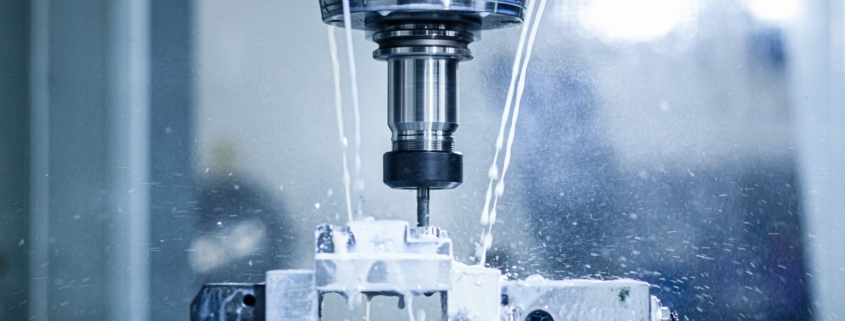
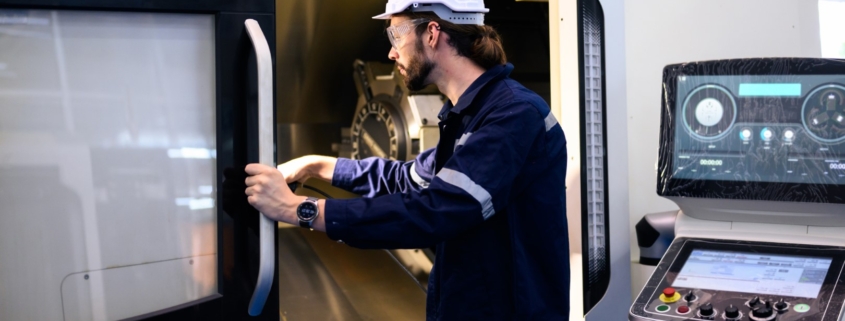
image of someone using cnc machining techniques

In today’s high-precision manufacturing environment, mastering the full range of CNC machining techniques is vital—especially when working with acrylics, engineering plastics, and soft metals. At Acrylic Art, we combine decades of craftsmanship with advanced CNC technologies to deliver custom parts and components on time and to exacting tolerance levels.

In this article, we’ll walk you through the major CNC processes—starting with lathe turning, moving into milling, and finally showing how our team applies these methods to meet complex design and fabrication challenges.

Understanding the CNC Turning Process

Lathe turning remains one of the core machining operations at Acrylic Art. Essentially, the workpiece rotates around a fixed axis while a cutting tool feeds into it, removing material to create cylindrical shapes, rods, or precision features.

Because Acrylic Art works with a wide variety of plastics (acrylic, Delrin, PEEK, etc.) and soft metals (aluminum, brass) under close tolerance demands, turning is an ideal way to achieve consistent diameters and excellent finish quality.

Key Benefits

  • High dimensional accuracy: Turning enables you to hold tight tolerances, which aligns with our ±0.001 inch capability across dimensions.
  • Efficient for rotating features: When your part is a shaft, tube, bushing, or other round geometry, turning is typically faster and more cost-effective than milling.
  • Superior surface finish: Because of the nature of the process, you can often avoid secondary finishing steps, lowering overall cost and lead time.

Practical Considerations for Acrylic and Plastics

When turning plastics such as cast acrylic or engineering polymers, you’ll want to be cautious of heat buildup, chip evacuation, and fixture stability. Selecting the right tooling geometry and feed/speed parameters is essential.

At Acrylic Art, our team leverages CAM/CAD import workflows to set up turning operations efficiently, ensuring that parts meet required concentricity, straightness, and finish standards.

Transitioning to CNC Milling: What’s Different

Once parts require more complex shapes—flat-plane features, pockets, contours, 3-D surfaces—milling becomes the machining method of choice. At Acrylic Art, we operate multi-axis machining centers that enable advanced milling capabilities including contouring, helical interpolation, thread milling, and more.

What Milling Enables

  • Versatility of geometry: From 2D profiles to full 3D reliefs, milling lets us shape plastic and metal workpieces with freedom.
  • Multiple feature types: Drilling, pocketing, profiling, and shell milling are all available in a single setup in many cases.
  • Larger work envelopes: With capabilities up to a 20″ × 40″ × 14″ envelope in some centers, we can accommodate sizable parts or long runs.

Machining Plastics: Special Requirements

When milling acrylic or other clear plastics, attention to detail matters. For example:

  • Proper tool geometry helps evacuate chips and reduces melting or glazing.
  • Feed rate and spindle speed must be balanced to avoid heat build-up.
  • Vacuum or soft-jaw fixturing helps reduce vibration and prevents stress cracking in acrylic workpieces.

At Acrylic Art, our machinists are trained to support material analysis and design recommendations, especially for plastics machining.

Integrating Turning and Milling for Complex Parts

In many real-world fabrication projects, neither turning nor milling alone suffices. That’s where our hybrid approach shines. At Acrylic Art, we often sequence operations: initial turning to rough out cylindrical geometry, followed by milling for slots, cross-drilled holes, or complex contours.

Example Workflow

  • CAD design import: We accept most major file formats (SolidWorks, AutoCAD, STEP, etc.) for both turning and milling setup.
  • Material selection and fixturing: For acrylic, Delrin, or aluminum components, we select the tooling, clamps, and hold-down methods accordingly.
  • Turning operation: Rough turning to bring the part close to net shape.
  • Milling operation: After turning, the part is re-mounted in a machining center for milling pockets, threads, and countersinks.
  • Finishing and inspection: We inspect dimensions, finish, tolerance, and surface quality to deliver parts that meet customer expectations.

This sequence enables us to meet the “quality-fast” promise our clients rely on.

Why Choose Acrylic Art for Your CNC Machining Needs

At Acrylic Art, our commitment is two-fold: exceptional craftsmanship and customer-focused service. With more than 34 years of experience, we serve leading clients in the medical device, biotech, instrumentation, semiconductor, and architectural display industries.

  • Deep expertise with plastics and soft metals: We machine everything from acrylic, Delrin, and PEEK to aluminum and brass.
  • Precision tolerance capabilities: Our milling centers and lathes deliver tolerances as tight as ±0.001″ on dimensional features.
  • Flexible volumes: Whether you need a one-off prototype or a long-run production batch, we can accommodate your project.
  • Customer service and timely delivery: We always strive to exceed expectations in quality, delivery, and competitive pricing.

Selecting the Right Technique for Your Part

When you’re planning your next custom plastic or soft metal component, ask yourself: does the part require cylindrical symmetry, or complex planar and 3-D features? If it’s mostly round with minimal additional features, lathe turning may be your most efficient route. If your geometry includes pockets, slots, contours, or 3-D surfaces, then milling—or a combined turning/milling workflow—is likely the right path.

At Acrylic Art, we can evaluate your design, suggest the optimal machining route, and deliver precision parts ready for use.

Let’s Get Started

If you’re ready to explore CNC machining with professionals who know plastics inside-out and deliver consistent results, contact Acrylic Art today. Our team will guide you from material selection through machining method choice to finished precision components.

We look forward to partnering with you.

When retail environments compete for attention, standout displays matter. At Acrylic Art, we specialize in creating exquisitely engineered custom store fixtures and point of purchase displays, delivering aesthetic and functional impact for brands. In this article, we’ll explore how we design, fabricate, and deliver retail fixtures that elevate your brand and drive customer engagement.

Understanding the Role of Custom Store Fixtures and Point of Purchase Displays

Custom store fixtures and point of purchase (POP) displays serve two major purposes. First, they provide a physical platform for your products—shelves, risers, pedestals, and display cases. Second, they act as brand statements: they reflect your company’s identity, highlight merchandise, and guide customer behavior toward purchase. When done well, a fixture doesn’t simply hold a product—it tells a story.

Today’s consumers expect sophistication, and your retail environment should match that expectation. Instead of off-the-shelf generic units, a tailored fixture or POP design can deliver a unique look, integrate your branding, and adapt to irregular layouts or complex merchandising strategies. That’s where Acrylic Art steps in.

Why Acrylic Art Is Uniquely Positioned to Deliver

With over 34 years in business, Acrylic Art has developed deep expertise in precision plastic fabrication, CNC machining, and custom manufacturing. Their capabilities extend beyond machining—they design and produce high-quality fixtures, POP displays, architectural signage, and complex interior manufacturing.

Because our manufacturing capability handles everything from prototyping to full production, and includes secondary services such as finishing, painting, screen-printing, and polishing, we can deliver a finished fixture ready for installation. This means fewer hand-offs, less risk, and streamlined delivery for your next retail project.

From Concept to Finished Fixture: The Process

Design & Engineering

We begin by working with you to define the project: layout, product mix, merchandising goals, branding requirements, materials, budget, and installation constraints. At Acrylic Art, we frequently collaborate with interior designers, architects, and brand teams to ensure the fixture aligns with both form and function. Once the concept is mapped, our engineers leverage CAD/CAM systems to create detailed models and prototype options.

Material Selection & Fabrication

Choosing the right material is critical. Our team works with acrylics, polycarbonate, ABS, and other engineering plastics, offering advantages including clarity, light transmission, durability, ease of finishing, and aesthetic flexibility.
Fabrication methods include cutting, heat-bending, solvent-welding, precise CNC routing, and finishing techniques such as vapor polishing and screen printing. These techniques allow the creation of fixtures that are visually sharp, structurally sound, and tailored to exact tolerances.

Finishing, Graphics & Assembly

Good design doesn’t end with shape—it includes finishing, branding, and installation readiness. Acrylic Art provides services such as screen-printing, vinyl lettering, painting, and anodizing of soft-metal components.
This comprehensive approach means your custom store fixtures arrive as complete assemblies, ready to integrate into your retail environment with minimal extra effort.

Installation & Support

Finally, delivering fixtures that integrate properly in the retail environment is essential. Because we handle design through delivery, we work with you on installation logistics, site conditions, and ensure the fixture functions as intended in real-world environments. Reliable delivery and professional service are core to Acrylic Art’s approach.

Key Benefits of Working with Acrylic Art for Retail Fixtures

Tailored, brand-centric design — Your fixtures align perfectly with brand identity and merchandising strategy.

High-quality materials and manufacturing — From thick acrylic panels to fine-finished joints, we deliver precision and durability.

Integrated manufacturing chain — Design, fabrication, finishing, and assembly under one roof means reduced lead time and fewer coordination issues.

Flexibility from prototype to production — Whether you need one pilot fixture or hundreds of units, our facility accommodates.

Comprehensive finishing and graphics capability — Your fixture isn’t just a shape—it’s a branded statement.

Reliability and service — With decades of experience, we meet deadlines, maintain quality, and support installation.

Real-World Applications and Use Cases

Consider a premium cosmetics brand launching a new product line in flagship stores. They need a display case that highlights the product, catches ambient light, and integrates brand graphics. Acrylic Art can craft a clear acrylic riser with integrated LED lighting channels, polished surfaces, and screen-printed logos, delivering a display that elevates both the product and the brand.

Another example: a tech retailer needs point-of-purchase displays for in-store demos. We can fabricate a durable acrylic and aluminum fixture that allows for mounting demonstration units, accommodates cable management, and holds branding graphics—all produced in small runs and shipped ready for plug-in installation.

In both scenarios, the end result is a fixture that supports merchandising goals and delivers a premium experience—not simply shelving.

Choosing Materials and Design Features Wisely

When you work on custom store fixtures and POP displays, material choice and design details matter. Here are a few considerations:

Light transmission and clarity: Acrylic offers superior clarity; if your fixture uses lighting or needs to show product from all angles, acrylic is ideal.

Durability and finish: If the fixture will endure heavy foot traffic, consider robust plastics or metal components with quality finishing.

Branding integration: Plan for graphics, screen-printing, or vinyl lettering in the design phase rather than retrofitting. Acrylic Art’s finishing services make this smoother.

Ease of installation: Design modules to ship flat or in safe packaging, with minimal on-site assembly.

Flexibility and modularity: In a retail chain, you may need variations in size or layout; custom manufacturing can support this efficiently.

Maximizing Impact in Retail with Custom Fixtures

To get the most from your custom store fixtures and point of purchase displays, consider these tips:

Align with merchandising strategy: Consider product placement, lighting, customer flow, and how the fixture complements these factors.

Prioritize brand coherence: Your fixtures should reflect brand identity consistently across units and locations.

Invest in quality: A well-designed display improves the perceived value of the product and builds brand credibility.

Test and iterate: Use prototypes or pilot fixtures in one location to assess performance, then scale.

Plan installation logistics early: Shipping, assembly, and store integration often determine the success of the rollout.

Elevate Your Retail Environments with Acrylic Art

When you choose Acrylic Art for your custom store fixtures and point of purchase displays, you’re working with a partner that understands precision fabrication, brand-driven design, and retail implementation. Our full-service manufacturing—from design through finishing—ensures your fixtures not only look outstanding but perform reliably in real retail environments.

Take the Next Step

Ready to elevate your retail presence? Contact Acrylic Art today to discuss how we can craft your next fixture or POP display. Let’s bring your brand story to life through high-quality custom store fixtures and point of purchase displays. Our team is prepared to partner with you on design, fabrication, and delivery to meet your business goals.

At Acrylic Art, our prototype machining services blend precision, speed, and expertise to transform your concepts into tangible, high-quality prototypes. Located in Emeryville at the heart of California’s Bay Area, we serve a diverse clientele across biotech, medical device, semiconductor, and design industries. Our strong regional connections and decades of experience make us a trusted source for prototype machining solutions.

Precision That Matters

When developing prototypes, achieving tight tolerances and consistent dimensions is vital. At Acrylic Art, we excel in precision CNC machining, maintaining tolerances as tight as ±0.001 inches across complex geometric features. Advanced multi-axis machining and a generous 20 × 40 × 14-inch work envelope ensure we can handle intricate and sizable components alike.

Rapid Prototyping with Expert Design Support

We recognize that fast turnaround is critical during prototype development. That’s why our prototype machining services include comprehensive in-house support—from initial CAD/CAM assistance and CNC programming to quick prototype delivery. Our team helps you select the right materials and processes, so deadlines become achievable milestones rather than stress points.

Versatility in Materials and Industries

Our machining capabilities span an impressive array of materials—from acrylics, polycarbonate, Delrin, and ABS to soft metals like aluminum and brass. We routinely serve industries such as medical, biotech, semiconductor, instrumentation, and retail displays—and each branch benefits from our adaptable approach to prototype machining.

Expert Craftsmanship and State-of-the-Art Tools

More than a machine shop, Acrylic Art combines technological precision with seasoned craftsmanship. Our senior journeymen machinists and fabricators bring decades of experience to each project, ensuring your prototypes are crafted with both accuracy and artistry.

Secondary Services for Fully Finished Prototypes

To give you a complete prototype solution under one roof, we offer—or coordinate—additional services including painting, powder coating, anodizing, and plating. These value-added options mean you receive ready-to-use, polished prototypes without the need to deal with multiple vendors.

Consistent Quality and Reliability

Over our 34+ years of service, Acrylic Art has built a reputation for top-tier quality, on-time delivery, and fair pricing. Our ISO-compliant processes, rigorous attention to detail, and customer-first mentality ensure your prototype arrives not just on time, but made exactly to spec.

Why Choose Acrylic Art’s Prototype Machining Services?

  • Fast and accurate – Tight tolerances and rapid turnaround support agile development.

  • Complete support – From CAD programming to final finishes, we guide you through every step.

  • Material flexibility – Whether plastics or soft metals, we match your project’s needs.

  • Skilled team – Expert craftsmen paired with advanced CNC technology.

  • Single-source convenience – Secondary finishing services delivered alongside machining.

  • Proven reliability – Decades of experience across high-tech industries and exacting standards.

Prototype Machining at Acrylic Art

Bringing a product to life starts with a prototype that embodies precision, function, and quality. With Acrylic Art’s prototype machining services, you benefit from seasoned professionals, advanced technology, and a streamlined, single-source solution designed to meet even the tightest deadlines and highest standards.

If you’re ready to elevate your prototype development process with unmatched craftsmanship and rapid delivery, contact us today. We’re here to help turn your concept into a precise, production-ready reality.

Architectural signage is more than a simple way-finding solution—it’s a design statement. When precision matters, designing architectural signage with precision plastic fabrication opens new creative horizons. Acrylic Art is uniquely positioned to bring these visions to life, blending technical expertise with artistic craftsmanship.

The Power of Precision in Architectural Signage

Precision fabrication ensures every sign aligns perfectly with design intent. With Acrylic Art’s advanced capabilities—like CNC machining, heat bending, solvent welding, and polishing—signage meets exact tolerances and aesthetic expectations. This kind of precision transforms signage from a functional piece to an architectural feature that enhances spaces.

Materials that Elevate Design

Choosing the right materials is crucial. Acrylic Art works with a wide array of plastics—acrylic, polycarbonate, ABS, and more—each offering distinct properties like clarity, impact resistance, or color versatility.

  • Acrylic offers optical clarity and elegance—ideal for high-visibility installations.

  • Polycarbonate offers durability—perfect for high-traffic or outdoor environments.

  • ABS and composites add structural strength for unique architectural forms.

By selecting the appropriate plastic, your signage not only looks great, but stands up to real-world conditions.

Advanced Techniques that Enhance Craftsmanship

At Acrylic Art, craftsmanship is driven by cutting-edge methods:

  • CNC Precision Machining & Milling: Capable of complex contouring, 3D milling, and rapid machining with tight tolerances.

  • Heat Bending & Solvent Welding: Enables seamless joins and fluid forms that capture light and shadow elegantly.

  • Polishing Techniques: Flame, vapor, and mechanical buffing create flawless finishes that elevate a sign’s presence.

These techniques ensure signage is both visually stunning and seamlessly refined.

Collaborative Design & Prototyping

Design success starts with collaboration. Acrylic Art provides full-service CAD/CAM design and prototyping support, allowing design iterations to be tested visually and functionally before final production. This collaborative prototyping minimizes errors and ensures the finished product matches the original vision.

Quality Assurance That Architects Trust

Architectural signage demands durability, precision, and consistency. Acrylic Art upholds rigorous quality control measures and advanced fabrication standards to ensure every sign meets expectations. Whether the signage is indoors or exposed to environmental stress, quality control ensures longevity and visual impact.

Applications in Real-World Settings

Precision plastic-fabricated signage enhances spaces across various environments:

  • Healthcare facilities and laboratories: Clear, durable signage that meets sterile, high-use environments.

  • Retail and museums: Attractive wayfinding and branding systems that complement interior design.

  • Corporate and architectural installations: Signage that communicates brand identity with precision and elegance.

Acrylic Art’s experience across healthcare, retail, exhibit, and architectural sectors informs every project with relevant expertise.

Your Partner in Signage Excellence

When designing architectural signage, combining technical mastery with creative freedom is essential. Acrylic Art delivers this combination through:

  • Decades of experience in precision plastic fabrication and machining

  • A broad range of material capabilities and advanced techniques

  • Collaborative prototyping and CAD/CAM integration

  • Rigorously maintained quality standards and reliability

Entrust your architectural signage to a team that balances form and function beautifully.

Ready to Elevate Your Signage?

If you’re envisioning architectural signage that seamlessly aligns with your space and brand, Acrylic Art is your partner in precision and design. From concept to installation, we offer comprehensive fabrication services tailored to your needs. Contact us to explore what precision plastic fabrication can achieve for your next project.

Precision cleaning of plastic components is essential for maintaining quality and reliability in today’s demanding manufacturing landscape. At Acrylic Art, we specialize in expert precision cleaning as an additional service to our core plastic fabrication and CNC machining. This service is critical for clients in sectors like medical devices, semiconductor processing, and biotech, where any residue or particulate can result in system downtime, component degradation, or compromised performance.

Why Precision Cleaning Matters for Quality Plastic Parts

Removing Hidden Contaminants

Even microscopic particles or chemical residues on plastic parts can undermine the performance of high-precision assemblies. Therefore, precision cleaning plays a vital role in ensuring parts are free from contaminants that could cause system failures.

Extending Component Lifespan

By efficiently eliminating residues, precision cleaning supports system longevity. In vacuum systems or cleanrooms, for instance, well-cleaned parts can prevent error propagation and costly replacements.

Boosting Yield and Reducing Costs

Clean components lead to fewer malfunctions and greater production efficiency. By minimizing waste and rework, precision cleaning helps optimize yield, contributing to lower operating costs.

How Acrylic Art Executes Precision Cleaning

ISO-Certified Standards

Acrylic Art upholds ISO-grade processes for cleaning, guaranteeing consistent quality and compliance with industry benchmarks.

Chemical and Mechanical Strategies

They carefully select cleaning methods—whether chemical, mechanical, or a hybrid approach—to effectively remove tough residues while preserving dimensional accuracy.

Tailored to Material Type

Since different plastics react differently to solvents, Acrylic Art customizes cleaning protocols for each polymer. This ensures cleanliness without compromising part integrity.

Proven Success in Critical Applications

Acrylic Art uses precision cleaning for delicate machined parts such as vapor-polished polycarbonate used in cleanroom induction assemblies—cleaned to Class 5 standards, then double-bagged—so they meet UL94-V2 and optical clarity requirements.

The Link Between Precision Cleaning and Fabrication Quality

Precision cleaning is intrinsically connected to the fabrication process at Acrylic Art:

  • Maintains tight tolerances: Clean parts are essential for accurate assembly, particularly when machined to ±0.001″, such as in CNC-milled polycarbonate induction assemblies.

  • Enhances cosmetic finish: Vapor-polished surfaces shine, but need precise cleaning to remove residues and reveal clarity.

  • Preserves material properties: Without residual stress or altered dimensions due to improper cleaning, components like acrylic incubation chambers remain true to spec.

Real-World Examples from Acrylic Art

Cleanroom Induction Assembly

This assembly involved extreme precision (±0.001″) and vapor polishing for clarity. To meet UL94-V2 and Class 5 cleanliness, parts were cleaned thoroughly, sealed, and delivered ready-for-use.

Polycarbonate and Stainless Steel Components

For assemblies with polycarbonate sleeves and stainless steel rings, precision cleaning ensured each element was free from machining coolant, oils, or polishing byproducts—crucial for sealing and performance in sensitive environments.

Medical and Biotech Applications

Whether incubator chambers or MRI calibration tools polished for optical clarity, precision cleaning ensures no residue interferes with medical research protocols.

Why Choose Acrylic Art for Precision Cleaning

  • Expertise in sensitive industries: Serving biotech, medical, semiconductor, and cleanroom sectors for over 34 years establishes trust.

  • Integrated workflows: They combine fabrication, vapor polishing, and precision cleaning seamlessly under one roof.

  • ISO-certified, compliant processes: This guarantees repeatable, validated results in regulated environments.

Ensuring Component Integrity Through Precision Cleaning

Precision cleaning of plastic components isn’t just an afterthought—it’s an essential part of delivering products that meet or exceed design specs. At Acrylic Art, their full-service approach—right from CAD/CAM to vapor polishing and ISO-certified cleaning—ensures components stay dimensionally accurate, cosmetically perfect, and contaminant-free.

Partner with Experts in Clean Performance

When your project demands clean, precise, and durable plastic parts, precision cleaning of plastic components must be a priority. By choosing Acrylic Art, you’re partnering with a seasoned plastics fabrication firm that ensures your parts are ready for immediate integration in the most sensitive applications.

Elevate Your Next Project

Ready to experience the benefits of precision cleaning and superior fabrication? Contact Acrylic Art today to discuss how we can help your plastic components achieve optimal quality and performance.

In today’s fast-paced scientific world, precision and agility are critical. Laboratories depend on high-quality equipment that meets exact specifications while adapting to new research demands. CNC machining custom laboratory equipment delivers that capability. When paired with Acrylic Art’s deep experience in plastic fabrication and machining, it becomes a true innovation driver for R&D teams.

Precision at Micron Scale

Consistency and reliability are essential in laboratory settings. Acrylic Art operates advanced multi-axis CNC machines capable of tolerances as tight as ±0.001 inches—or even ±0.0002 in concentricity. This exacting accuracy ensures that custom chambers, manifolds, trays, and interfaces perform flawlessly under demanding scientific protocols.

Material Versatility Fuels Custom Solutions

Different laboratory applications require various materials. Acrylic Art works with over 30 engineering-grade plastics—like acrylic, Delrin, PEEK, polycarbonate—and even soft metals such as aluminum and brass. This wide material palette allows custom lab equipment—such as incubation chambers or fluid management systems—to be optimized for chemical resistance, temperature tolerance, or optical clarity.

Agile Prototyping & Rapid Iteration

Research projects often evolve rapidly. With CNC machining, alterations can be implemented in CAD, then promptly cut and tested. Acrylic Art’s rapid-turn capabilities and CAD/CAM integration accelerate the concept-to-prototype cycle. This quick cycle empowers labs to refine designs on the fly rather than wait weeks for revisions.

Tailored for Complex Geometries

Many bespoke lab devices feature intricate channels, threaded ports, or nested fittings. Acrylic Art excels in 3‑D contouring, helical interpolation, and thread milling—capabilities essential for creating intricate parts with precision. Their ability to import CAD files directly eliminates manual translation errors and ensures exact dimensional reproduction.

Quality Assurance & Compliance

Laboratory instruments must adhere to rigorous quality standards. Acrylic Art is ISO-compliant and adheres to industry norms to guarantee consistency and reliability. They also perform expert material analyses and provide design recommendations, ensuring each custom piece functions as intended within scientific workflows.

Real Results in Cutting-Edge Fields

Acrylic Art’s Bay Area location places them at the heart of biotech, pharmaceutical, and academic clusters. Their portfolio includes CNC-machined aluminum vial trays, custom acrylic incubation chambers, MRI calibration tools, and Delrin manifolds. These components support experiments in medical diagnostics, pharmaceutical R&D, and clean-room environments.

Scalability for Any Project Size

Whether labs require a one-off prototype or a small production run, CNC machining adapts. Acrylic Art handles volumes from single prototypes to thousands of parts, ensuring economical and timely delivery. This scalability meets the needs of early-stage research while accommodating larger validation batches.

Why Acrylic Art is an Ideal CNC Partner

  • Decades of Expertise: Over 34 years of close-tolerance machining and fabrication.

  • Service-Oriented: They combine technical advice with hands-on support, offering design assistance and responsive communication.

  • End-to-End Solutions: From design and material recommendations to finishing processes—including polishing, vapor treatment, painting, and silk-screening—they deliver ready-to-use components.

Bringing It All Together for Research Labs

CNC machining custom laboratory equipment enhances precision, material flexibility, speed, and scalability. By partnering with a specialist like Acrylic Art, labs gain an agile manufacturing ally. They can transform complex designs into functional components, test theories quickly, and iterate on discoveries—all while maintaining tight tolerances and professional quality.

Empower Your Lab with CNC Machined Precision

To stay at the forefront of innovation, your lab equipment must be responsive to changing research needs. With Acrylic Art’s expertise in CNC machining custom laboratory equipment, you gain a partner skilled in handling complex geometries, stringent tolerances, and material demands. They deliver tailored solutions on schedule—so you can remain focused on discoveries, not delays.

Unlock precision, speed, and creativity in your lab projects. Contact Acrylic Art today to discuss your custom laboratory equipment needs.

Advanced machining techniques have revolutionized manufacturing, enabling companies like Acrylic Art to deliver unparalleled precision and quality in plastic and soft metal components. By leveraging state-of-the-art CNC machining, laser cutting, and thermoforming technologies, Acrylic Art enhances manufacturing outcomes across various industries.

Elevating Precision with CNC Machining

Computer Numerical Control (CNC) machining stands at the forefront of modern manufacturing, offering exceptional accuracy and repeatability. Acrylic Art utilizes advanced multi-axis CNC machines capable of achieving tolerances as tight as ±0.001 inches. This precision is crucial for industries requiring exact specifications, such as medical research, electronics, and biotechnology.

For instance, in producing a polycarbonate induction assembly for cleanroom applications, Acrylic Art employed a 3-axis CNC vertical milling center to achieve ultra-tight tolerances, ensuring the component met stringent industry standards.

Enhancing Efficiency with Laser Cutting and Thermoforming

Laser cutting technology enables Acrylic Art to create intricate designs with clean edges, essential for components where detail and precision are paramount. This method is particularly beneficial for projects requiring complex geometries and fine details.

Thermoforming, another advanced technique employed by Acrylic Art, involves heating plastic sheets until pliable and forming them over molds. This process allows for the efficient production of uniform parts, maintaining consistent quality across batches.

By integrating these techniques, Acrylic Art ensures that each product not only meets but exceeds client expectations in terms of design and functionality.

Streamlining Production with CAD/CAM Integration

Acrylic Art’s commitment to innovation is evident in its use of Computer-Aided Design (CAD) and Computer-Aided Manufacturing (CAM) systems. These tools facilitate seamless transitions from design to production, reducing lead times and minimizing errors. By directly importing files from various CAD systems, Acrylic Art can swiftly move from concept to finished product, enhancing overall efficiency.

This integration is particularly advantageous in prototyping, where rapid iterations are often necessary. Acrylic Art’s ability to provide quick prototype delivery ensures that clients can test and refine their designs promptly, accelerating the development process.

Delivering Quality Across Diverse Industries

Acrylic Art’s advanced machining capabilities cater to a broad spectrum of industries, including medical, semiconductor, and biotech sectors. Their expertise in handling various materials, from acrylic and polycarbonate to soft metals like aluminum and brass, allows them to meet diverse client needs.

For example, in the medical field, Acrylic Art produced an MRI calibration tool with precise dimensions and optical clarity, essential for accurate diagnostics. Such projects underscore the company’s ability to deliver high-quality components tailored to specific industry requirements.

Partner with Acrylic Art for Superior Manufacturing Outcomes

Advanced machining techniques are pivotal in achieving superior manufacturing outcomes, and Acrylic Art exemplifies this through its commitment to precision, efficiency, and quality. Whether you’re in the medical, biotech, or electronics industry, partnering with Acrylic Art ensures that your components are manufactured to the highest standards.

Contact us today to learn how Acrylic Art’s advanced machining services can elevate your manufacturing projects.

When it comes to manufacturing high-performance instrumentation, precision is not just a preference—it’s a requirement. Whether the end use involves medical diagnostics, aerospace measurements, or scientific research, the smallest mechanical errors can result in costly setbacks or compromised results. That’s where precision machining steps in, offering the level of accuracy and consistency necessary for mission-critical applications.

Acrylic Art has long stood at the forefront of precision machining and plastic fabrication, with more than 35 years of experience serving clients across the San Francisco Bay Area and beyond. With a combination of cutting-edge technology and expert craftsmanship, their team helps ensure instrumentation components perform flawlessly, even under the most demanding conditions.

Achieving Unmatched Accuracy for Critical Components

Instrumentation manufacturing requires parts that meet extremely tight tolerances. In many cases, the required precision falls within thousandths of an inch. A minute error can result in mechanical failure, calibration issues, or malfunction during use. Whether it’s a casing for a sensor or a housing for a control unit, every cut and contour must be exact.

Precision machining enables manufacturers to produce these components with consistent accuracy. Computer Numerical Control (CNC) technology allows for the automation of cutting, drilling, and shaping with minimal deviation, ensuring parts are created to precise specifications. Acrylic Art’s facility utilizes this high-tech approach to deliver parts that meet rigorous dimensional and functional standards. As a result, engineers and designers can rely on consistent performance across every unit produced.

Enhancing Consistency and Efficiency in Manufacturing

In instrumentation, consistency is key. Devices used for measurement, monitoring, or control must perform identically regardless of when or where they were made. This level of standardization can only be achieved through machining practices that are repeatable and reliable.

Precision machining not only achieves this level of consistency but also significantly improves production efficiency. By automating most of the cutting and fabrication processes, CNC machines reduce the possibility of human error and allow for faster turnaround times. This is especially valuable for companies that require low- to mid-volume production runs of highly specialized parts.

Acrylic Art’s streamlined processes ensure that customers receive accurate parts within project timelines, without sacrificing quality. Their commitment to both speed and precision helps clients meet development milestones and manufacturing goals with confidence.

Supporting a Range of Industries and Instrumentation Needs

Precision machining in instrumentation manufacturing is not limited to a single sector—it touches virtually every industry where technology and performance intersect. Medical equipment manufacturers rely on precision-cut plastic and metal components for surgical tools and diagnostic devices. Aerospace companies require lightweight yet durable parts for control systems and measurement instruments. Even tech startups designing next-gen sensors need dependable machining partners to prototype and scale their designs.

Acrylic Art serves a wide variety of industries, providing customized solutions that meet exact client requirements. From clear acrylic enclosures and intricate plastic parts to CNC-milled components that integrate with sensitive equipment, their portfolio demonstrates the versatility and application of precision machining in modern manufacturing.

Material Selection: The Foundation of Precision

The success of any machined part depends heavily on the material it’s made from. Different applications call for different properties—durability, heat resistance, flexibility, or optical clarity. Choosing the right material ensures that the finished part performs well within its intended use.

Acrylic Art has deep expertise in working with plastics, acrylics, and other engineering-grade materials. They understand how each material behaves during the machining process and how to maintain structural integrity throughout. Their team helps clients select materials that not only meet functional requirements but also provide long-term reliability and performance.

By combining expert material selection with high-precision tooling, Acrylic Art ensures each component meets both aesthetic and technical expectations.

Fostering Innovation Through Machining Capabilities

The relationship between innovation and manufacturing is symbiotic. Engineers and designers envision new tools and instruments that solve modern problems, and precision machining turns those ideas into functional reality. Without accurate and dependable manufacturing, even the most brilliant designs cannot succeed.

By offering precision machining in instrumentation manufacturing, Acrylic Art enables companies to prototype, test, and refine their devices with confidence. Their ability to fabricate intricate parts—while maintaining tight tolerances and aesthetic quality—makes them a valuable resource for innovators bringing new instrumentation to market.

This flexibility supports not only product development but also long-term scalability. As demand grows, the ability to replicate high-quality components ensures continuity and customer satisfaction.

Trust Acrylic Art for Uncompromising Precision

At the core of every successful instrumentation product is a foundation of quality parts. Whether it’s for the medical, aerospace, electronics, or research sectors, the importance of precision machining cannot be overstated. It directly impacts product performance, safety, and durability.

Acrylic Art has built its reputation on delivering high-precision parts backed by expert knowledge, superior customer service, and state-of-the-art equipment. Their decades of experience and dedication to continuous improvement make them a trusted partner for instrumentation manufacturers looking to bring high-performing, reliable products to market.

If your project demands absolute precision and consistent results, contact Acrylic Art today to discuss your instrumentation manufacturing needs and discover how their expert team can help bring your vision to life.


In the realm of precision plastic manufacturing, prototyping serves as a pivotal step, transforming conceptual designs into tangible realities. At Acrylic Art, we recognize the indispensable role of prototyping in ensuring both the functionality and manufacturability of plastic components.

Understanding Prototyping in Precision Plastic Manufacturing

Prototyping involves creating an initial model or sample of a product to evaluate its design, functionality, and feasibility before proceeding to full-scale production. This process allows for the identification and rectification of potential issues, ensuring that the final product meets all specified requirements.

Benefits of Prototyping

1. Design Validation

Prototypes enable designers and engineers to assess the aesthetics and ergonomics of a product, ensuring it aligns with the intended vision.

2. Functional Testing

By creating a working model, manufacturers can test the product’s performance under real-world conditions, identifying any functional shortcomings.

3. Cost Efficiency

Detecting and addressing design flaws during the prototyping phase prevents costly modifications during mass production.

4. Accelerated Time-to-Market

Rapid prototyping techniques allow for swift iterations, reducing the overall product development timeline.

Prototyping Techniques in Plastic Manufacturing

Several methods are employed in prototyping, each offering distinct advantages:

1. 3D Printing (Additive Manufacturing)

This technique builds objects layer by layer from digital models, allowing for highly detailed and precise fabrication. It’s particularly beneficial for creating complex geometries that would be challenging with traditional methods. At Acrylic Art, we utilize 3D printing to produce intricate prototypes efficiently.

2. CNC Machining

Computer Numerical Controlled (CNC) machining involves subtractive manufacturing, where material is removed from a solid block to form the desired shape. This method is ideal for producing prototypes from actual production materials, providing a clear representation of the final product’s properties. Acrylic Art’s skilled machinists employ CNC precision machining to achieve tight tolerances and superior surface finishes.

3. Injection Molding

For prototypes that require materials and properties identical to the final product, injection molding is utilized. This process involves creating a mold into which molten plastic is injected, producing a prototype that closely mirrors the production item. While traditionally used for mass production, rapid tooling techniques have made injection molding viable for prototyping purposes as well.

Acrylic Art’s Prototyping Capabilities

At Acrylic Art, we offer comprehensive prototyping services to cater to diverse industry needs:

1. In-House Design and CAD/CAM Assistance

Our team provides computer-aided design and machining support, ensuring that your concepts are accurately translated into prototypes.

2. CNC Programming

We offer complete in-house CNC programming, allowing for precise control over the machining process and ensuring the highest quality prototypes.

3. Rapid Prototype Delivery

Understanding the importance of time in product development, we prioritize quick turnaround times without compromising on quality.

4. Material Expertise

Our capabilities extend across a broad spectrum of materials, from conventional plastics to high-performance polymers, enabling us to recommend the most suitable material for your prototype’s intended application.

The Impact of Prototyping on Product Development

Integrating prototyping into the product development cycle offers several advantages:

1. Enhanced Collaboration

Physical prototypes serve as effective communication tools among designers, engineers, and stakeholders, facilitating collaborative decision-making.

2. Market Feedback

Prototypes can be presented to potential customers or focus groups to gather feedback, allowing for adjustments that align with market preferences.

3. Risk Mitigation

By identifying design or functionality issues early, prototyping reduces the risk of product failures post-launch.

4. Intellectual Property Protection

Developing a prototype can strengthen patent applications by providing a tangible representation of the invention.

Bringing Your Vision to Life

Prototyping stands as a cornerstone in precision plastic manufacturing, bridging the gap between conceptualization and production. At Acrylic Art, we are committed to transforming your ideas into reality through meticulous prototyping services. Whether you’re in the medical, biotech, pharmaceutical, or semiconductor industry, our expertise ensures that your products not only meet but exceed expectations.

To explore how our prototyping capabilities can benefit your next project, contact us today!

In the world of plastic fabrication and precision machining, maintaining high-quality standards is essential to ensuring durability, performance, and customer satisfaction. Acrylic Art has built a reputation for delivering superior plastic manufacturing solutions, thanks to their unwavering commitment to excellence. Whether producing custom acrylic displays, precision CNC-machined parts, or complex thermoformed components, Acrylic Art follows stringent quality control measures, advanced fabrication techniques, and a customer-focused approach.

In this article, we’ll explore the key ways Acrylic Art maintains high-quality standards in plastic manufacturing and what sets them apart in the industry.

Cutting-Edge Fabrication Techniques for Precision

One of the defining aspects of Acrylic Art’s success is its use of state-of-the-art plastic fabrication techniques. The company invests in advanced manufacturing technologies, including:

  • CNC Machining – Computer Numerical Control (CNC) technology ensures high precision and repeatability in every cut, shape, and design. CNC machines allow Acrylic Art to produce complex parts with micron-level accuracy, making them ideal for industries such as aerospace, medical, and high-tech electronics.
  • Laser Cutting – Laser cutting provides smooth, precise edges that require little to no post-processing, reducing production time while maintaining quality. This technique is particularly useful for intricate designs and custom shapes.
  • Thermoforming – The ability to heat and shape plastic materials into various three-dimensional forms allows Acrylic Art to serve a wide range of industries, from retail displays to automotive applications.
  • Plastic Bonding & Finishing – Acrylic Art ensures that joints, adhesives, and seams are flawless through a combination of solvent bonding, UV bonding, and mechanical fastening techniques. This results in high-strength, visually seamless products.

By leveraging these advanced fabrication methods, Acrylic Art delivers unparalleled precision and consistency in its plastic manufacturing processes.

Stringent Quality Control at Every Step

Quality control is a non-negotiable aspect of Acrylic Art’s operations. Their rigorous multi-stage inspection process ensures that every product meets industry standards before it reaches the customer. Here’s how they do it:

Raw Material Inspection

The process starts with careful selection of high-quality raw materials. Acrylic Art sources premium plastics, including acrylic, polycarbonate, PETG, and ABS, ensuring they have the right strength, clarity, and durability for each project. Before production begins, materials are inspected for uniformity, thickness, and purity to eliminate any defects.

In-Process Inspections

Throughout the manufacturing process, technicians conduct regular quality checks to detect errors early. This includes:

  • Dimensional accuracy checks to ensure that parts meet design specifications
  • Surface inspections to prevent defects like scratches, bubbles, or warping
  • Structural integrity tests to guarantee durability and load-bearing capabilities

By catching potential issues midway through production, Acrylic Art minimizes waste and maintains consistent quality across all projects.

Post-Production Testing

Once a product is fully fabricated, it undergoes final quality assurance testing before being shipped to the customer. This may include:

  • Stress and impact resistance testing for load-bearing parts
  • Optical clarity tests for display and signage applications
  • Temperature and UV resistance testing for outdoor products

This commitment to testing guarantees reliability, ensuring that every Acrylic Art product performs flawlessly in real-world applications.

Customization Without Compromising Quality

Many plastic manufacturers struggle to balance customization with quality assurance, but Acrylic Art excels in both. Their ability to create fully customized plastic components while maintaining strict quality control sets them apart.

  • Tailored Designs: Clients can provide their own specifications, and Acrylic Art ensures that custom orders meet exact measurements with no deviation from design files.
  • Industry-Specific Standards: The company complies with industry regulations for plastic fabrication, whether for medical, aerospace, automotive, or architectural applications.
  • Color and Texture Matching: Acrylic Art offers color matching and surface finishing options to align with branding and aesthetic requirements.

Regardless of how complex or unique a project is, Acrylic Art’s dedication to quality remains unchanged.

Sustainable Manufacturing Practices

In today’s environmentally conscious world, Acrylic Art is committed to sustainable plastic manufacturing. Their approach includes:

  • Material Efficiency: By using precise CNC cutting and laser fabrication, Acrylic Art reduces material waste and optimizes sheet utilization.
  • Eco-Friendly Materials: They offer options like recycled acrylic and biodegradable plastics to meet the needs of environmentally conscious clients.
  • Energy-Efficient Processes: Modern manufacturing equipment reduces energy consumption while maintaining superior quality.

By prioritizing sustainability without compromising quality, Acrylic Art is future-proofing its operations for long-term success.

Experienced Craftsmanship and Customer Focus

Technology alone isn’t enough—Acrylic Art’s team of skilled fabricators ensures that every product meets the highest standards. Their craftsmen bring years of experience in plastic manufacturing, applying hands-on expertise to every project.

Additionally, Acrylic Art provides:

  • Transparent communication and project updates
  • Quick turnaround times without sacrificing quality
  • Personalized service to meet client needs

This customer-focused approach helps Acrylic Art build lasting relationships with clients across various industries.

A Legacy of Excellence in Plastic Fabrication

Maintaining high-quality standards in plastic manufacturing requires a combination of advanced technology, rigorous quality control, skilled craftsmanship, and a dedication to customer satisfaction. Acrylic Art has mastered this balance, ensuring that every product meets the highest performance and aesthetic standards.

Whether you need precision-machined plastic parts, custom displays, or durable industrial components, Acrylic Art’s commitment to quality makes them a trusted leader in the industry.

For more information about services, contact Acrylic Art and explore their full range of capabilities.