
High-Tolerance CNC Plastic Machining for Complex Geometries
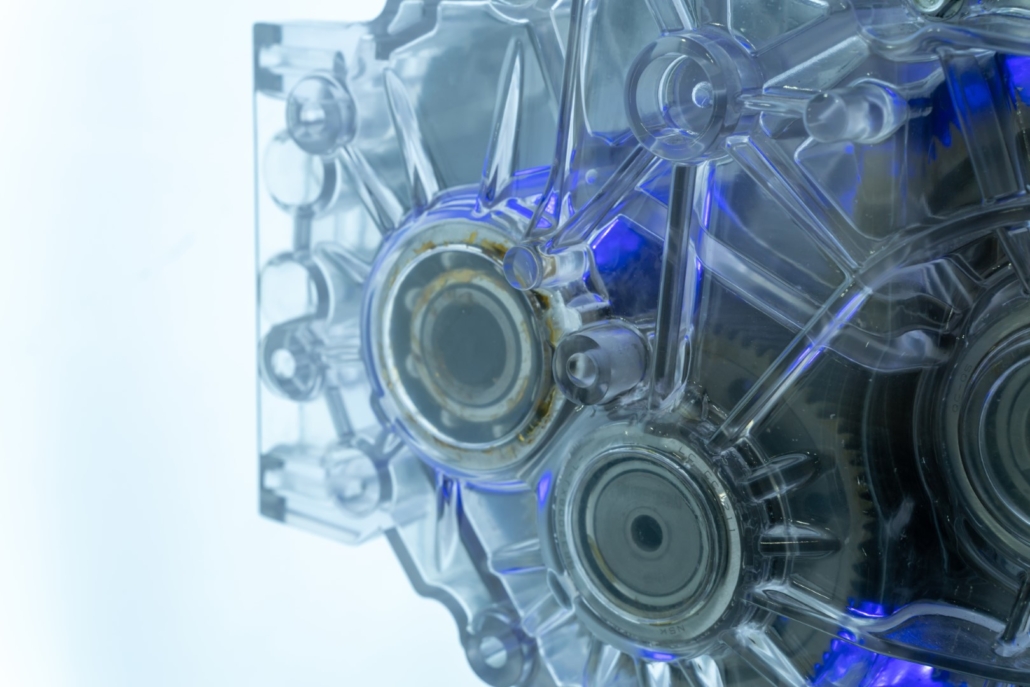
When engineers design precision parts for medical devices, biotech systems, instrumentation, or semiconductor equipment, they often face one major challenge: producing complex geometries while maintaining extremely tight tolerances. This is where high-tolerance CNC plastic machining for complex geometries becomes essential.
At Acrylic Art, precision plastic machining is more than a service. It is a specialized discipline built on decades of expertise, advanced CNC equipment, and a deep understanding of how plastics behave during machining. Their team combines craftsmanship with modern manufacturing methods to deliver parts that meet demanding technical specifications across critical industries.
In this article, we will break down what high-tolerance machining means, why complex plastic geometries are challenging, and how Acrylic Art helps clients achieve reliable, repeatable results.
What High-Tolerance CNC Plastic Machining Really Means
Tolerance refers to how much variation is allowed from the intended design dimension. In precision industries, even small deviations can impact performance, sealing surfaces, or assembly fit. Acrylic Art routinely works with tolerance capabilities as tight as ±0.001 inches, depending on design requirements.
However, plastics introduce unique variables that differ from metals:
- They expand and contract more with heat
- They can flex during machining
- Chip evacuation must be carefully controlled
- Tooling and feeds must prevent melting or deformation
Because of these characteristics, achieving high tolerance in plastics requires specialized programming, tooling, and process control rather than simply running a standard CNC program.
Why Complex Geometries Are More Difficult in Plastics
Complex geometries typically include features like deep pockets, thin walls, multi-surface contours, internal channels, or tight corner transitions. While CNC technology makes these shapes possible, plastics create additional engineering challenges.
For example, thin walls can vibrate or deflect during machining, making dimensional accuracy harder to maintain. Industry guidance commonly recommends thicker wall designs for plastics because rigidity decreases as material thickness drops.
Additionally, heat buildup can soften the material. When that happens, the final dimensions may drift outside tolerance. This is why experienced shops adjust toolpaths, spindle speeds, and cutter geometry specifically for plastic materials rather than copying metal machining strategies.
Acrylic Art’s expertise in plastics allows them to anticipate these issues early in the process, which helps clients avoid redesigns and costly delays.
Multi-Axis CNC Capabilities for Precision Geometry
One of the key reasons complex parts are achievable today is advanced multi-axis machining. Acrylic Art utilizes multi-axis machining centers capable of contouring, 3-D milling, and precision interpolation.
This approach offers several advantages:
- Fewer setups reduce stacking tolerance errors
- Smooth transitions improve surface finish
- Complex curves can be machined more accurately
- Repeatability improves across production runs
When geometry becomes more intricate, machining strategy matters as much as the machine itself. Proper workholding, fixture design, and programming all influence the final result, especially when tolerances are tight.
Material Expertise Makes the Difference
Not all plastics machine the same way. Acrylic, Delrin, polycarbonate, PEEK, and other engineering plastics each behave differently under cutting forces.
Acrylic Art’s experience machining a wide range of plastics allows them to choose the right approach based on part function and geometry. Their team regularly produces components for medical, biotech, instrumentation, and semiconductor applications where material selection directly impacts performance.
For example:
- Acrylic often requires polished tooling to maintain clarity and edge quality
- Delrin machines well but still requires careful tolerance planning
- Engineering plastics may need specific feeds and chip management strategies
Selecting the right tooling geometry is also critical. Plastics benefit from designs that improve chip evacuation and reduce heat buildup, helping maintain dimensional stability during machining.
Design for Machinability: A Key Step for Success
Many tolerance issues begin at the design stage rather than on the shop floor. Complex geometry does not always mean better performance, and overly tight tolerances can increase cost without improving function.
Industry best practices suggest:
- Apply tight tolerances only where function requires it
- Avoid unnecessarily deep pockets
- Add radii to internal corners when possible
- Keep wall thickness consistent
These design considerations help improve accuracy while reducing machining risk and production time.
Acrylic Art works collaboratively with clients to review drawings, import CAD files directly into CAM systems, and identify opportunities to simplify production without sacrificing performance.
Real-World Examples of Precision Plastic Machining
High-tolerance CNC plastic machining for complex geometries is not theoretical. Acrylic Art has delivered precision components used in demanding scientific and medical environments.
One example includes custom acrylic incubation chambers built for pharmaceutical and biotech research. These projects required a combination of fabrication and CNC machining to achieve precision grooves, mounting features, and sealing surfaces.
Another project involved machining Delrin manifolds with acrylic chambers for research applications, achieving precision tolerances through multi-axis milling and careful process control.
These examples highlight an important reality: complex geometry often requires blending fabrication expertise with CNC precision rather than relying on one method alone.
Industries That Depend on High-Tolerance Plastic Machining
Many industries rely on complex plastic components because plastics offer lightweight strength, chemical resistance, and design flexibility. Acrylic Art frequently supports sectors such as:
- Medical and diagnostic equipment
- Biotech research
- Semiconductor manufacturing
- Laboratory instrumentation
- Industrial and scientific equipment
These industries demand consistent precision and reliable turnaround, which is why experience and process control matter just as much as machinery.
Why Acrylic Art Is a Trusted Partner for Complex Plastic Parts
With more than three decades of experience, Acrylic Art combines advanced machining capabilities with deep plastic fabrication knowledge. Their team includes seasoned machinists and fabricators who understand how to balance technical requirements with practical manufacturing realities.
Clients benefit from:
- Close-tolerance CNC machining capabilities
- Multi-axis milling for complex 3-D geometry
- CAD/CAM integration for accuracy and efficiency
- Experience with high-performance plastics
- Commitment to quality, delivery, and service
Because they specialize in plastic machining, Acrylic Art can help engineers avoid common pitfalls and achieve reliable outcomes even with demanding designs.
Precision Starts with the Right Manufacturing Partner
Complex geometries and tight tolerances do not have to mean risk or uncertainty. When you work with a team experienced in high-tolerance CNC plastic machining for complex geometries, you gain a partner who understands both the engineering and manufacturing sides of the process.
Whether you are developing a prototype or scaling production, Acrylic Art provides the precision, expertise, and collaborative approach needed to bring complex plastic components to life.
If your project requires advanced CNC plastic machining, contact Acrylic Art to discuss your specifications and get expert guidance on your next build.


