When engineers design precision parts for medical devices, biotech systems, instrumentation, or semiconductor equipment, they often face one major challenge: producing complex geometries while maintaining extremely tight tolerances. This is where high-tolerance CNC plastic machining for complex geometries becomes essential.

At Acrylic Art, precision plastic machining is more than a service. It is a specialized discipline built on decades of expertise, advanced CNC equipment, and a deep understanding of how plastics behave during machining. Their team combines craftsmanship with modern manufacturing methods to deliver parts that meet demanding technical specifications across critical industries.

In this article, we will break down what high-tolerance machining means, why complex plastic geometries are challenging, and how Acrylic Art helps clients achieve reliable, repeatable results.

What High-Tolerance CNC Plastic Machining Really Means

Tolerance refers to how much variation is allowed from the intended design dimension. In precision industries, even small deviations can impact performance, sealing surfaces, or assembly fit. Acrylic Art routinely works with tolerance capabilities as tight as ±0.001 inches, depending on design requirements.

However, plastics introduce unique variables that differ from metals:

  • They expand and contract more with heat
  • They can flex during machining
  • Chip evacuation must be carefully controlled
  • Tooling and feeds must prevent melting or deformation

Because of these characteristics, achieving high tolerance in plastics requires specialized programming, tooling, and process control rather than simply running a standard CNC program.

Why Complex Geometries Are More Difficult in Plastics

Complex geometries typically include features like deep pockets, thin walls, multi-surface contours, internal channels, or tight corner transitions. While CNC technology makes these shapes possible, plastics create additional engineering challenges.

For example, thin walls can vibrate or deflect during machining, making dimensional accuracy harder to maintain. Industry guidance commonly recommends thicker wall designs for plastics because rigidity decreases as material thickness drops.

Additionally, heat buildup can soften the material. When that happens, the final dimensions may drift outside tolerance. This is why experienced shops adjust toolpaths, spindle speeds, and cutter geometry specifically for plastic materials rather than copying metal machining strategies.

Acrylic Art’s expertise in plastics allows them to anticipate these issues early in the process, which helps clients avoid redesigns and costly delays.

Multi-Axis CNC Capabilities for Precision Geometry

One of the key reasons complex parts are achievable today is advanced multi-axis machining. Acrylic Art utilizes multi-axis machining centers capable of contouring, 3-D milling, and precision interpolation.

This approach offers several advantages:

  • Fewer setups reduce stacking tolerance errors
  • Smooth transitions improve surface finish
  • Complex curves can be machined more accurately
  • Repeatability improves across production runs

When geometry becomes more intricate, machining strategy matters as much as the machine itself. Proper workholding, fixture design, and programming all influence the final result, especially when tolerances are tight.

Material Expertise Makes the Difference

Not all plastics machine the same way. Acrylic, Delrin, polycarbonate, PEEK, and other engineering plastics each behave differently under cutting forces.

Acrylic Art’s experience machining a wide range of plastics allows them to choose the right approach based on part function and geometry. Their team regularly produces components for medical, biotech, instrumentation, and semiconductor applications where material selection directly impacts performance.

For example:

  • Acrylic often requires polished tooling to maintain clarity and edge quality
  • Delrin machines well but still requires careful tolerance planning
  • Engineering plastics may need specific feeds and chip management strategies

Selecting the right tooling geometry is also critical. Plastics benefit from designs that improve chip evacuation and reduce heat buildup, helping maintain dimensional stability during machining.

Design for Machinability: A Key Step for Success

Many tolerance issues begin at the design stage rather than on the shop floor. Complex geometry does not always mean better performance, and overly tight tolerances can increase cost without improving function.

Industry best practices suggest:

  • Apply tight tolerances only where function requires it
  • Avoid unnecessarily deep pockets
  • Add radii to internal corners when possible
  • Keep wall thickness consistent

These design considerations help improve accuracy while reducing machining risk and production time.

Acrylic Art works collaboratively with clients to review drawings, import CAD files directly into CAM systems, and identify opportunities to simplify production without sacrificing performance.

Real-World Examples of Precision Plastic Machining

High-tolerance CNC plastic machining for complex geometries is not theoretical. Acrylic Art has delivered precision components used in demanding scientific and medical environments.

One example includes custom acrylic incubation chambers built for pharmaceutical and biotech research. These projects required a combination of fabrication and CNC machining to achieve precision grooves, mounting features, and sealing surfaces.

Another project involved machining Delrin manifolds with acrylic chambers for research applications, achieving precision tolerances through multi-axis milling and careful process control.

These examples highlight an important reality: complex geometry often requires blending fabrication expertise with CNC precision rather than relying on one method alone.

Industries That Depend on High-Tolerance Plastic Machining

Many industries rely on complex plastic components because plastics offer lightweight strength, chemical resistance, and design flexibility. Acrylic Art frequently supports sectors such as:

  • Medical and diagnostic equipment
  • Biotech research
  • Semiconductor manufacturing
  • Laboratory instrumentation
  • Industrial and scientific equipment

These industries demand consistent precision and reliable turnaround, which is why experience and process control matter just as much as machinery.

Why Acrylic Art Is a Trusted Partner for Complex Plastic Parts

With more than three decades of experience, Acrylic Art combines advanced machining capabilities with deep plastic fabrication knowledge. Their team includes seasoned machinists and fabricators who understand how to balance technical requirements with practical manufacturing realities.

Clients benefit from:

  • Close-tolerance CNC machining capabilities
  • Multi-axis milling for complex 3-D geometry
  • CAD/CAM integration for accuracy and efficiency
  • Experience with high-performance plastics
  • Commitment to quality, delivery, and service

Because they specialize in plastic machining, Acrylic Art can help engineers avoid common pitfalls and achieve reliable outcomes even with demanding designs.

Precision Starts with the Right Manufacturing Partner

Complex geometries and tight tolerances do not have to mean risk or uncertainty. When you work with a team experienced in high-tolerance CNC plastic machining for complex geometries, you gain a partner who understands both the engineering and manufacturing sides of the process.

Whether you are developing a prototype or scaling production, Acrylic Art provides the precision, expertise, and collaborative approach needed to bring complex plastic components to life.

If your project requires advanced CNC plastic machining, contact Acrylic Art to discuss your specifications and get expert guidance on your next build.

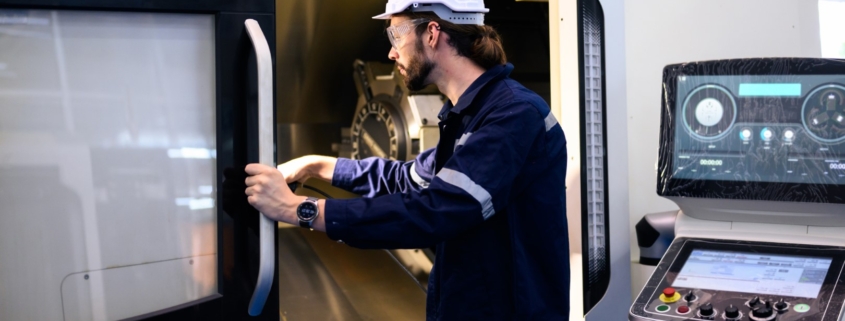
image of someone using cnc machining techniques

In today’s high-precision manufacturing environment, mastering the full range of CNC machining techniques is vital—especially when working with acrylics, engineering plastics, and soft metals. At Acrylic Art, we combine decades of craftsmanship with advanced CNC technologies to deliver custom parts and components on time and to exacting tolerance levels.

In this article, we’ll walk you through the major CNC processes—starting with lathe turning, moving into milling, and finally showing how our team applies these methods to meet complex design and fabrication challenges.

Understanding the CNC Turning Process

Lathe turning remains one of the core machining operations at Acrylic Art. Essentially, the workpiece rotates around a fixed axis while a cutting tool feeds into it, removing material to create cylindrical shapes, rods, or precision features.

Because Acrylic Art works with a wide variety of plastics (acrylic, Delrin, PEEK, etc.) and soft metals (aluminum, brass) under close tolerance demands, turning is an ideal way to achieve consistent diameters and excellent finish quality.

Key Benefits

  • High dimensional accuracy: Turning enables you to hold tight tolerances, which aligns with our ±0.001 inch capability across dimensions.
  • Efficient for rotating features: When your part is a shaft, tube, bushing, or other round geometry, turning is typically faster and more cost-effective than milling.
  • Superior surface finish: Because of the nature of the process, you can often avoid secondary finishing steps, lowering overall cost and lead time.

Practical Considerations for Acrylic and Plastics

When turning plastics such as cast acrylic or engineering polymers, you’ll want to be cautious of heat buildup, chip evacuation, and fixture stability. Selecting the right tooling geometry and feed/speed parameters is essential.

At Acrylic Art, our team leverages CAM/CAD import workflows to set up turning operations efficiently, ensuring that parts meet required concentricity, straightness, and finish standards.

Transitioning to CNC Milling: What’s Different

Once parts require more complex shapes—flat-plane features, pockets, contours, 3-D surfaces—milling becomes the machining method of choice. At Acrylic Art, we operate multi-axis machining centers that enable advanced milling capabilities including contouring, helical interpolation, thread milling, and more.

What Milling Enables

  • Versatility of geometry: From 2D profiles to full 3D reliefs, milling lets us shape plastic and metal workpieces with freedom.
  • Multiple feature types: Drilling, pocketing, profiling, and shell milling are all available in a single setup in many cases.
  • Larger work envelopes: With capabilities up to a 20″ × 40″ × 14″ envelope in some centers, we can accommodate sizable parts or long runs.

Machining Plastics: Special Requirements

When milling acrylic or other clear plastics, attention to detail matters. For example:

  • Proper tool geometry helps evacuate chips and reduces melting or glazing.
  • Feed rate and spindle speed must be balanced to avoid heat build-up.
  • Vacuum or soft-jaw fixturing helps reduce vibration and prevents stress cracking in acrylic workpieces.

At Acrylic Art, our machinists are trained to support material analysis and design recommendations, especially for plastics machining.

Integrating Turning and Milling for Complex Parts

In many real-world fabrication projects, neither turning nor milling alone suffices. That’s where our hybrid approach shines. At Acrylic Art, we often sequence operations: initial turning to rough out cylindrical geometry, followed by milling for slots, cross-drilled holes, or complex contours.

Example Workflow

  • CAD design import: We accept most major file formats (SolidWorks, AutoCAD, STEP, etc.) for both turning and milling setup.
  • Material selection and fixturing: For acrylic, Delrin, or aluminum components, we select the tooling, clamps, and hold-down methods accordingly.
  • Turning operation: Rough turning to bring the part close to net shape.
  • Milling operation: After turning, the part is re-mounted in a machining center for milling pockets, threads, and countersinks.
  • Finishing and inspection: We inspect dimensions, finish, tolerance, and surface quality to deliver parts that meet customer expectations.

This sequence enables us to meet the “quality-fast” promise our clients rely on.

Why Choose Acrylic Art for Your CNC Machining Needs

At Acrylic Art, our commitment is two-fold: exceptional craftsmanship and customer-focused service. With more than 34 years of experience, we serve leading clients in the medical device, biotech, instrumentation, semiconductor, and architectural display industries.

  • Deep expertise with plastics and soft metals: We machine everything from acrylic, Delrin, and PEEK to aluminum and brass.
  • Precision tolerance capabilities: Our milling centers and lathes deliver tolerances as tight as ±0.001″ on dimensional features.
  • Flexible volumes: Whether you need a one-off prototype or a long-run production batch, we can accommodate your project.
  • Customer service and timely delivery: We always strive to exceed expectations in quality, delivery, and competitive pricing.

Selecting the Right Technique for Your Part

When you’re planning your next custom plastic or soft metal component, ask yourself: does the part require cylindrical symmetry, or complex planar and 3-D features? If it’s mostly round with minimal additional features, lathe turning may be your most efficient route. If your geometry includes pockets, slots, contours, or 3-D surfaces, then milling—or a combined turning/milling workflow—is likely the right path.

At Acrylic Art, we can evaluate your design, suggest the optimal machining route, and deliver precision parts ready for use.

Let’s Get Started

If you’re ready to explore CNC machining with professionals who know plastics inside-out and deliver consistent results, contact Acrylic Art today. Our team will guide you from material selection through machining method choice to finished precision components.

We look forward to partnering with you.

In today’s fast-paced scientific world, precision and agility are critical. Laboratories depend on high-quality equipment that meets exact specifications while adapting to new research demands. CNC machining custom laboratory equipment delivers that capability. When paired with Acrylic Art’s deep experience in plastic fabrication and machining, it becomes a true innovation driver for R&D teams.

Precision at Micron Scale

Consistency and reliability are essential in laboratory settings. Acrylic Art operates advanced multi-axis CNC machines capable of tolerances as tight as ±0.001 inches—or even ±0.0002 in concentricity. This exacting accuracy ensures that custom chambers, manifolds, trays, and interfaces perform flawlessly under demanding scientific protocols.

Material Versatility Fuels Custom Solutions

Different laboratory applications require various materials. Acrylic Art works with over 30 engineering-grade plastics—like acrylic, Delrin, PEEK, polycarbonate—and even soft metals such as aluminum and brass. This wide material palette allows custom lab equipment—such as incubation chambers or fluid management systems—to be optimized for chemical resistance, temperature tolerance, or optical clarity.

Agile Prototyping & Rapid Iteration

Research projects often evolve rapidly. With CNC machining, alterations can be implemented in CAD, then promptly cut and tested. Acrylic Art’s rapid-turn capabilities and CAD/CAM integration accelerate the concept-to-prototype cycle. This quick cycle empowers labs to refine designs on the fly rather than wait weeks for revisions.

Tailored for Complex Geometries

Many bespoke lab devices feature intricate channels, threaded ports, or nested fittings. Acrylic Art excels in 3‑D contouring, helical interpolation, and thread milling—capabilities essential for creating intricate parts with precision. Their ability to import CAD files directly eliminates manual translation errors and ensures exact dimensional reproduction.

Quality Assurance & Compliance

Laboratory instruments must adhere to rigorous quality standards. Acrylic Art is ISO-compliant and adheres to industry norms to guarantee consistency and reliability. They also perform expert material analyses and provide design recommendations, ensuring each custom piece functions as intended within scientific workflows.

Real Results in Cutting-Edge Fields

Acrylic Art’s Bay Area location places them at the heart of biotech, pharmaceutical, and academic clusters. Their portfolio includes CNC-machined aluminum vial trays, custom acrylic incubation chambers, MRI calibration tools, and Delrin manifolds. These components support experiments in medical diagnostics, pharmaceutical R&D, and clean-room environments.

Scalability for Any Project Size

Whether labs require a one-off prototype or a small production run, CNC machining adapts. Acrylic Art handles volumes from single prototypes to thousands of parts, ensuring economical and timely delivery. This scalability meets the needs of early-stage research while accommodating larger validation batches.

Why Acrylic Art is an Ideal CNC Partner

  • Decades of Expertise: Over 34 years of close-tolerance machining and fabrication.

  • Service-Oriented: They combine technical advice with hands-on support, offering design assistance and responsive communication.

  • End-to-End Solutions: From design and material recommendations to finishing processes—including polishing, vapor treatment, painting, and silk-screening—they deliver ready-to-use components.

Bringing It All Together for Research Labs

CNC machining custom laboratory equipment enhances precision, material flexibility, speed, and scalability. By partnering with a specialist like Acrylic Art, labs gain an agile manufacturing ally. They can transform complex designs into functional components, test theories quickly, and iterate on discoveries—all while maintaining tight tolerances and professional quality.

Empower Your Lab with CNC Machined Precision

To stay at the forefront of innovation, your lab equipment must be responsive to changing research needs. With Acrylic Art’s expertise in CNC machining custom laboratory equipment, you gain a partner skilled in handling complex geometries, stringent tolerances, and material demands. They deliver tailored solutions on schedule—so you can remain focused on discoveries, not delays.

Unlock precision, speed, and creativity in your lab projects. Contact Acrylic Art today to discuss your custom laboratory equipment needs.

Advanced machining techniques have revolutionized manufacturing, enabling companies like Acrylic Art to deliver unparalleled precision and quality in plastic and soft metal components. By leveraging state-of-the-art CNC machining, laser cutting, and thermoforming technologies, Acrylic Art enhances manufacturing outcomes across various industries.

Elevating Precision with CNC Machining

Computer Numerical Control (CNC) machining stands at the forefront of modern manufacturing, offering exceptional accuracy and repeatability. Acrylic Art utilizes advanced multi-axis CNC machines capable of achieving tolerances as tight as ±0.001 inches. This precision is crucial for industries requiring exact specifications, such as medical research, electronics, and biotechnology.

For instance, in producing a polycarbonate induction assembly for cleanroom applications, Acrylic Art employed a 3-axis CNC vertical milling center to achieve ultra-tight tolerances, ensuring the component met stringent industry standards.

Enhancing Efficiency with Laser Cutting and Thermoforming

Laser cutting technology enables Acrylic Art to create intricate designs with clean edges, essential for components where detail and precision are paramount. This method is particularly beneficial for projects requiring complex geometries and fine details.

Thermoforming, another advanced technique employed by Acrylic Art, involves heating plastic sheets until pliable and forming them over molds. This process allows for the efficient production of uniform parts, maintaining consistent quality across batches.

By integrating these techniques, Acrylic Art ensures that each product not only meets but exceeds client expectations in terms of design and functionality.

Streamlining Production with CAD/CAM Integration

Acrylic Art’s commitment to innovation is evident in its use of Computer-Aided Design (CAD) and Computer-Aided Manufacturing (CAM) systems. These tools facilitate seamless transitions from design to production, reducing lead times and minimizing errors. By directly importing files from various CAD systems, Acrylic Art can swiftly move from concept to finished product, enhancing overall efficiency.

This integration is particularly advantageous in prototyping, where rapid iterations are often necessary. Acrylic Art’s ability to provide quick prototype delivery ensures that clients can test and refine their designs promptly, accelerating the development process.

Delivering Quality Across Diverse Industries

Acrylic Art’s advanced machining capabilities cater to a broad spectrum of industries, including medical, semiconductor, and biotech sectors. Their expertise in handling various materials, from acrylic and polycarbonate to soft metals like aluminum and brass, allows them to meet diverse client needs.

For example, in the medical field, Acrylic Art produced an MRI calibration tool with precise dimensions and optical clarity, essential for accurate diagnostics. Such projects underscore the company’s ability to deliver high-quality components tailored to specific industry requirements.

Partner with Acrylic Art for Superior Manufacturing Outcomes

Advanced machining techniques are pivotal in achieving superior manufacturing outcomes, and Acrylic Art exemplifies this through its commitment to precision, efficiency, and quality. Whether you’re in the medical, biotech, or electronics industry, partnering with Acrylic Art ensures that your components are manufactured to the highest standards.

Contact us today to learn how Acrylic Art’s advanced machining services can elevate your manufacturing projects.

In the fast-paced world of plastic fabrication and CNC machining, having a reliable vendor is essential. With the San Francisco Bay Area’s demand for high-quality and custom fabrication, businesses across industries seek vendors who bring quality, precision, and reliability to every project. But how do you identify the best vendor for plastic fabrication and precision CNC machining services? Below, we explore essential criteria that make a fabrication partner the right choice and why Acrylic Art has been the trusted choice in the Bay Area for over 35 years.

Assessing Vendor Experience and Expertise

A vendor’s experience and specialization are critical when selecting a plastic fabrication and CNC machining provider. Vendors with extensive industry experience have honed their skills, gained insights into the complexities of fabrication, and developed quality control measures to ensure consistent output. Acrylic Art, with over three decades in the industry, is a testament to expertise that clients can rely on.

Look for vendors with a solid track record in both fabrication and CNC machining who can handle a wide range of projects, from custom prototypes to full-scale production runs. Established companies bring insight that newcomers might lack, reducing the risk of errors and ensuring deadlines are met. Experience with specific materials is also valuable; vendors well-versed in handling different plastics and materials can accommodate your unique specifications with confidence.

Evaluating Technological Capabilities

In an industry driven by precision, technological capability is paramount. CNC machining, for example, requires cutting-edge equipment to maintain tight tolerances and achieve complex geometries with accuracy. Vendors who continually update their equipment and invest in the latest machinery demonstrate a commitment to quality and innovation.

Acrylic Art’s facilities in the San Francisco Bay Area are equipped with advanced CNC machinery capable of precision cutting, drilling, and milling for plastics. When assessing vendors, inquire about their equipment and processes to understand if they can meet your project’s needs. A technologically advanced facility doesn’t just ensure high-quality results but also offers efficiency that can translate to faster turnaround times.

Reviewing Quality Assurance Measures

In plastic fabrication and CNC machining, quality assurance (QA) is non-negotiable. Ensuring each product meets specifications and is free of defects requires rigorous QA protocols. When researching vendors, ask about their QA processes: do they have in-house inspections? Are they ISO certified? Do they offer documented reports that detail the quality checks each project undergoes?

At Acrylic Art, our focus on quality assurance means each project is meticulously inspected to meet the highest standards. We pride ourselves on our attention to detail, making sure every component we produce aligns with our clients’ requirements. Vendors who emphasize QA are generally more reliable partners, providing peace of mind that your finished products will meet industry and functional standards.

Customer Support and Service Commitment

A key differentiator in plastic fabrication and CNC machining services is the level of customer support offered. With complex fabrication projects, communication is essential, and having a vendor that provides dedicated customer support can make the difference between a smooth experience and one filled with frustration.

At Acrylic Art, we believe that client support is a priority. We work closely with clients at every step, from initial consultation to final delivery, ensuring that all questions are addressed, and updates are regularly provided. This collaborative approach allows us to adapt quickly to client feedback and make necessary adjustments without delays.

Material and Service Flexibility

Flexibility in materials and services sets top vendors apart from the rest. If your project requires a specific type of plastic or an uncommon fabrication process, a vendor with broad capabilities will be better positioned to accommodate these needs. The Bay Area is home to diverse industries, each with unique material requirements, and a vendor with access to varied plastics can be invaluable.

Acrylic Art offers extensive material options, including acrylic, polycarbonate, and ABS plastics, ensuring that we can provide custom solutions tailored to different applications. By choosing a flexible vendor, you can access a wider range of options without needing multiple suppliers.

Proven Track Record and Client Testimonials

Client testimonials and case studies are indicators of a vendor’s reliability and customer satisfaction. A vendor with a proven track record will proudly share feedback and case studies from past projects. Look for reviews that mention consistent quality, timely delivery, and effective problem-solving—qualities that make a vendor a trusted partner.

As one of the Bay Area’s premier plastic fabrication and CNC machining providers, Acrylic Art has a long history of positive client feedback. Our commitment to delivering top-quality results with exceptional service has earned us a reputation as a preferred vendor for companies seeking precision and dependability.

Competitive Pricing without Compromising Quality

While budget is a significant factor, it’s crucial to balance cost with quality. The best vendors are transparent about their pricing structures and provide competitive quotes without sacrificing service or product standards. Seek vendors who offer value for your investment by providing transparent estimates and avoiding hidden fees.

At Acrylic Art, we offer competitive pricing for high-quality plastic fabrication and CNC machining services. Our pricing model is designed to reflect the value we bring to each project, and we work to offer solutions that match both your budget and quality expectations. A vendor who values both quality and affordability can provide an efficient, cost-effective solution to meet your project’s requirements.

Why Choose Acrylic Art for Plastic Fabrication and CNC Machining Services?

When it comes to plastic fabrication and CNC machining services in the San Francisco Bay Area, Acrylic Art is a top choice. With over 35 years of experience, state-of-the-art facilities, and a commitment to exceptional client support, we stand out as a trusted partner for diverse industries. Our dedication to quality, combined with our comprehensive service offerings and competitive pricing, make us a reliable choice for businesses in need of precision and expertise.

Whether you require custom plastic components, large-scale production, or quick turnaround on a complex project, our team is here to bring your vision to life with unmatched professionalism and support.

Partner with Us for Your Fabrication Needs

Selecting the right plastic fabrication and CNC machining partner can be the difference between success and setback. At Acrylic Art, we’re proud to offer the quality, experience, and technology your projects deserve. Contact us today to learn how we can support your plastic fabrication needs with precision, efficiency, and a commitment to excellence.

CNC (Computer Numerical Control) machining has revolutionized plastic manufacturing, offering unparalleled precision, efficiency, and versatility. At Acrylic Art, we leverage advanced CNC machining techniques to deliver high-quality plastic components tailored to diverse industry needs.

Understanding CNC Machining in Plastic Manufacturing

CNC machining is a subtractive manufacturing process where computer-controlled machines precisely remove material from a solid block to create intricate parts. This method is particularly advantageous for plastics, allowing for the production of complex geometries with tight tolerances.

Advantages of CNC Machining for Plastics

The application of CNC machining in plastic manufacturing offers several key benefits:

  • Precision and Consistency: CNC machines operate with high accuracy, ensuring each part meets exact specifications, which is crucial for components requiring tight tolerances.
  • Versatility: CNC machining accommodates a wide range of plastic materials, including acrylic, polycarbonate, ABS, and more, making it suitable for various applications.
  • Efficiency: Automated operations reduce production time and labor costs, facilitating rapid prototyping and short-run production.
  • Customization: The technology allows for easy modifications, enabling the creation of custom parts without extensive retooling.

CNC Machining Processes at Acrylic Art

At Acrylic Art, we employ a variety of CNC machining processes to meet diverse manufacturing requirements:

  • 3D Milling: Our advanced multi-axis machining centers perform complex contouring and 3D milling, producing parts with intricate designs and smooth finishes.
  • Thread Milling and Helical Interpolation: These techniques enable the creation of precise threads and helical features, essential for components in industries like medical devices and aerospace.
  • Rapid Machining: We offer rapid machining services to expedite the production of prototypes and small batches, ensuring quick turnaround times without compromising quality.

Our capabilities extend to a work envelope of 20x40x14 inches, allowing us to handle larger parts and assemblies efficiently.

Material Expertise

Our team is proficient in working with various plastics and soft metals, including:

  • Acrylic: Known for its clarity and strength, acrylic is ideal for applications requiring transparency and durability.
  • Polycarbonate: This material offers high impact resistance and is suitable for components exposed to harsh environments.
  • ABS: ABS plastic provides good mechanical properties and is commonly used in automotive and consumer products.

We understand the unique properties of each material and apply appropriate machining techniques to achieve optimal results.

Applications Across Industries

The versatility of CNC machining in plastic manufacturing makes it applicable across various industries:

  • Medical Devices: We produce components like MRI calibration tools and incubation chambers, adhering to stringent industry standards.
  • Biotechnology: Our precision machining supports the development of equipment used in research and development settings.
  • Semiconductor: We manufacture parts such as polycarbonate induction assemblies for cleanroom environments.
  • Retail and Exhibits: Our custom fabrication services cater to the creation of display cases, signage, and other elements for retail and museum spaces.

Commitment to Quality and Customer Satisfaction

At Acrylic Art, we are dedicated to exceeding customer expectations through:

  • High-Quality Manufacturing: Our experienced team ensures each product meets rigorous quality standards.
  • On-Time Delivery: We prioritize efficient production schedules to deliver products promptly.
  • Competitive Pricing: Our streamlined processes allow us to offer cost-effective solutions without sacrificing quality.

We foster an environment of growth and professionalism, continually enhancing our capabilities to serve our clients better.

Partner with Acrylic Art for Your CNC Machining Needs

Explore the versatility of CNC machining in plastic manufacturing with Acrylic Art. Our expertise and commitment to excellence make us the ideal partner for your next project. Contact us today to discuss your requirements and discover how we can bring your vision to life.

In the world of custom plastic parts, precision, efficiency, and consistency are key. Whether you’re working on a small batch of prototypes or a full production run, the method you choose for manufacturing can make all the difference. CNC machining has emerged as a preferred technique for creating custom plastic parts due to its numerous advantages. Here, we explore the benefits of CNC machining and why it’s a valuable choice for projects that require custom plastic components.

Precision and Accuracy in Every Part

One of the most significant advantages of CNC (Computer Numerical Control) machining is its unparalleled precision. When it comes to custom plastic parts, achieving exact dimensions and tight tolerances is often critical. CNC machines operate based on digital models, allowing them to replicate complex designs with extraordinary accuracy. This precision ensures that every part meets the required specifications, reducing the risk of errors that can occur with manual processes.

For industries where precision is non-negotiable—such as aerospace, medical devices, and electronics—CNC machining offers a level of reliability that is hard to match. Whether you’re producing intricate components or straightforward parts, CNC machining ensures that each piece is identical to the next, which is essential for maintaining consistency and quality across your product line.

Versatility Across Different Materials

CNC machining is not only precise but also highly versatile. It can work with a wide range of plastic materials, including acrylic, polycarbonate, ABS, nylon, and more. This flexibility allows you to choose the best material for your specific application without worrying about compatibility with the manufacturing process.

Different plastics offer varying properties, such as impact resistance, optical clarity, chemical resistance, and thermal stability. CNC machining can handle these diverse materials with ease, enabling the creation of parts that are tailored to the specific needs of your project. This versatility is particularly beneficial in industries like automotive and consumer goods, where different applications require different material properties.

Efficiency in Production

In today’s fast-paced market, time is often a critical factor. CNC machining is known for its efficiency, making it an ideal solution for both small and large production runs. Once the digital model is programmed into the machine, the production process is largely automated, allowing for rapid production of parts with minimal downtime.

This automation reduces the potential for human error and increases the speed at which parts can be produced. Additionally, CNC machining allows for quick adjustments and modifications to the design, which is particularly useful during the prototyping phase. If a design change is needed, the digital model can be updated, and production can resume almost immediately, saving both time and resources.

Cost-Effectiveness for Custom Projects

While CNC machining requires an initial investment in programming and setup, it often proves to be more cost-effective in the long run, especially for custom projects. The precision and efficiency of CNC machining reduce material waste and lower the likelihood of producing defective parts, which can lead to significant cost savings.

Furthermore, because CNC machines can operate continuously with minimal supervision, labor costs are reduced. The ability to produce complex designs without the need for specialized tooling also eliminates additional expenses that might be associated with other manufacturing methods, such as injection molding.

Consistency and Repeatability

Consistency is key when it comes to producing custom plastic parts, especially in large quantities. CNC machining excels in this area by ensuring that each part produced is identical to the last. This repeatability is crucial for maintaining quality standards and ensuring that all parts function as intended in their final application.

For industries that require high-volume production of identical parts, CNC machining offers a reliable solution. Even in smaller production runs, the consistency provided by CNC machining can be a significant advantage, reducing the need for quality control checks and rework.

Complex Designs Made Easy

The ability to produce complex and intricate designs is another major advantage of CNC machining. Traditional machining methods may struggle with detailed or unusual shapes, but CNC machines can easily handle complex geometries thanks to their advanced software and precise cutting tools.

This capability is particularly useful for creating custom plastic parts that require unique shapes or features, such as internal channels, complex contours, or fine details. With CNC machining, you can bring even the most challenging designs to life, making it an ideal choice for innovative products and specialized components.

Scalability for Growing Businesses

As your business grows, so too may your production needs. CNC machining offers scalability that can keep pace with your expansion. Whether you need a few prototypes or thousands of parts, CNC machining can accommodate your requirements without sacrificing quality or efficiency.

This scalability is particularly valuable for startups and small businesses that may start with limited production but need the flexibility to increase capacity as demand grows. CNC machining allows you to scale up production quickly and cost-effectively, ensuring that you can meet customer demand without delays.

Quality Control and Inspection

CNC machining is often integrated with advanced quality control systems that monitor the production process in real-time. These systems can detect and correct errors during manufacturing, ensuring that each part meets the required standards. Additionally, CNC machines can produce detailed documentation and reports, which are useful for quality assurance and regulatory compliance.

This level of quality control is essential in industries where safety and reliability are paramount. By choosing CNC machining for your custom plastic parts, you can have confidence in the quality and consistency of the final product.

Why CNC Machining is the Best Choice for Custom Plastic Parts

CNC machining offers a range of advantages that make it an excellent choice for producing custom plastic parts. From precision and versatility to efficiency and scalability, this manufacturing method provides everything needed to create high-quality components that meet exact specifications. Whether you’re developing prototypes or producing a large volume of parts, CNC machining ensures that your project is completed with accuracy, consistency, and cost-effectiveness.

If you’re considering CNC machining for your custom plastic parts, Acrylic Art is here to help. Our expertise in CNC machining, coupled with our commitment to quality, ensures that your parts will be manufactured to the highest standards. Contact us today to learn more about how we can support your next project.